

Contact

The Longest-Operating International Hunting Consultancies

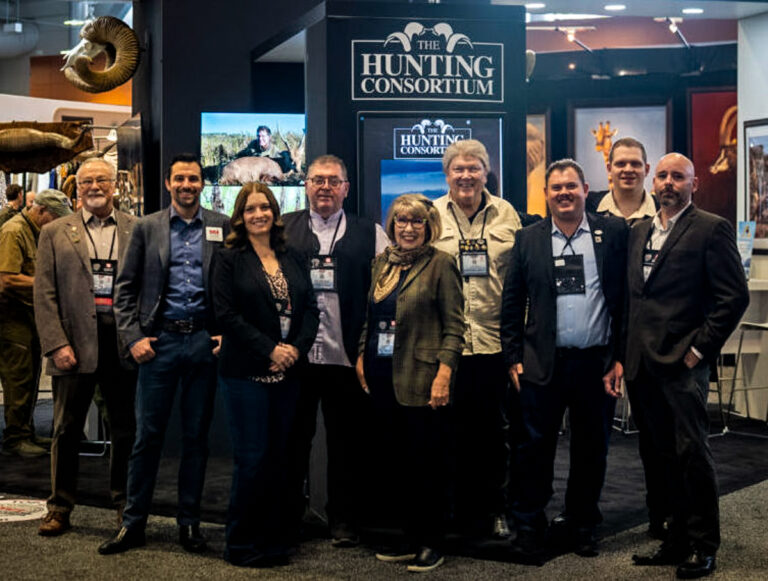
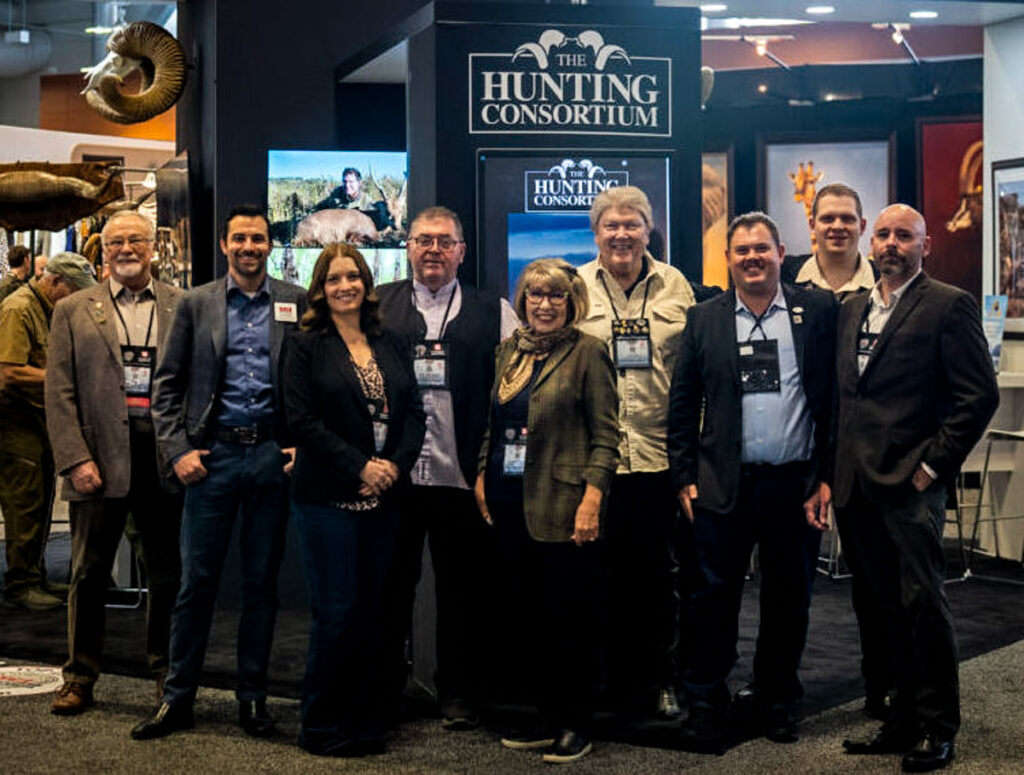
The Hunting Consortium team standing at the company’s trade show booth beneath The Hunting Consortium logo.

Longevity alone does not make a great international hunting consultant.

What matters is what those years contain.

Founded in 1985, The Hunting Consortium has spent more than four decades working through some of the most consequential changes in modern international hunting: changing governments, newly accessible countries, emerging hunting programs, evolving regulations, shifting political conditions, difficult logistics, and regions where the infrastructure familiar to today’s traveling sportsman barely existed.

That history places The Hunting Consortium among the longest-operating international hunting consultancies still actively advising hunters today. But the date itself is not the important part.

The important question is what happened during those forty-plus years.

THC was not simply watching the international hunting map change. Its people were traveling into parts of that changing world, developing relationships, evaluating emerging programs, learning which opportunities held promise, and discovering firsthand where reality differed from expectation.

That experience accumulated.

And over time, experience became institutional memory.

For the serious sportsman planning an important hunt today, that distinction matters far more than a debate over who can claim the earliest date in the business.

The Hunting Consortium Begins in Europe

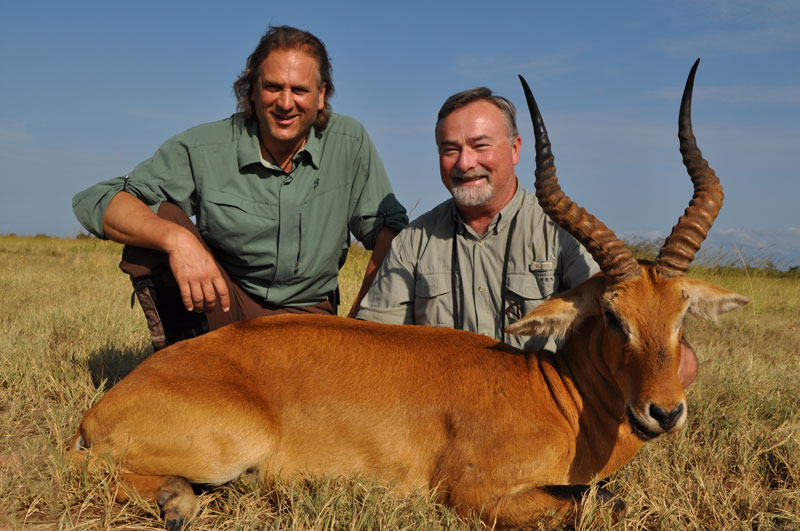
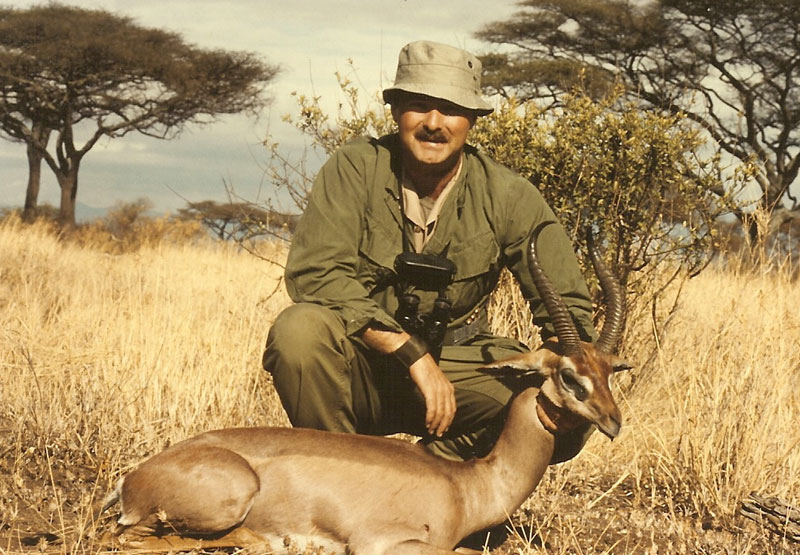
Jim Shockey and Bob Kern with a harvested antelope during an African hunting safari.
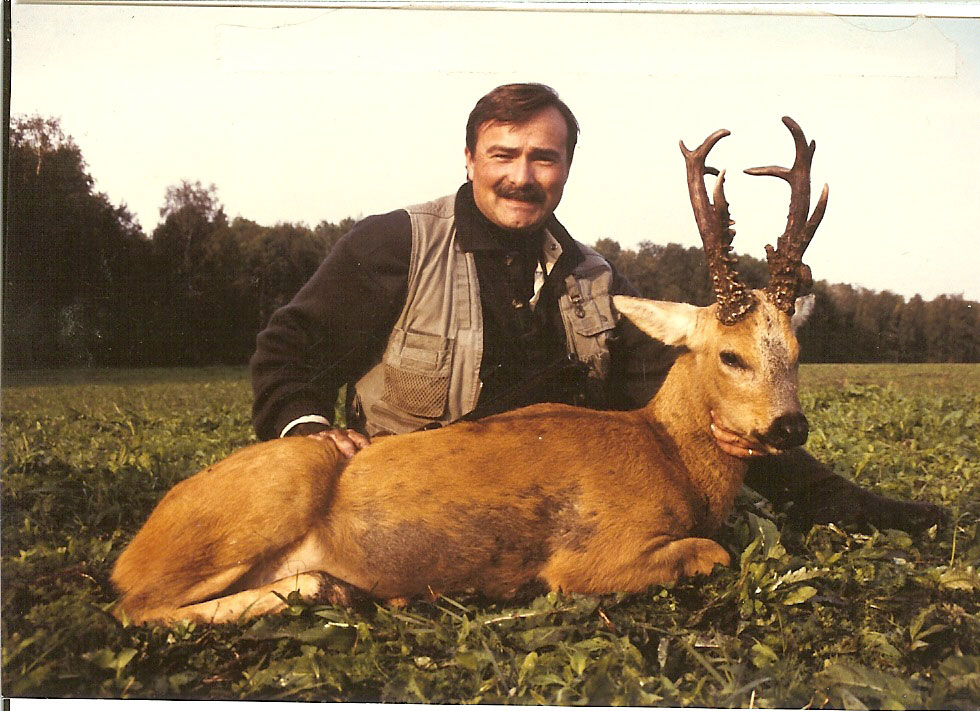
Bob Kern with a harvested European roe deer during an early international hunt, reflecting The Hunting Consortium’s decades of field experience.

The Hunting Consortium was international almost by definition from its earliest years.

Founder Bob Kern established the company while living in Germany. Craig Boddington, who has known and hunted with Kern for decades, recalls that THC’s early work centered on arranging hunts in Western Europe and later Turkey, much of it for American servicemen stationed overseas.

That European foundation proved consequential.

During the 1980s, international hunting was divided by more than geography. Political systems and closed borders placed enormous areas of Eastern Europe, the Soviet Union, and Central Asia beyond the practical reach of most Western sportsmen. Countries that today occupy a familiar place in the vocabulary of international hunting were, at the time, difficult to enter, poorly understood, or essentially unavailable.

Then the political map began to move.

The Iron Curtain weakened. Eastern European governments changed. The Soviet system entered its final years. Regions that had been inaccessible for generations began opening unevenly to foreign travel and international hunting.

The Hunting Consortium was already positioned in Europe when that change began.

What followed would become an important part of the firm’s institutional character: a willingness to go where the hunting world was changing, see conditions firsthand, establish relationships on the ground, and learn the difference between theoretical access and an operation that could actually function.

When the Hunting Map Began to Change

Russia provides perhaps the clearest example.

Boddington’s history of The Hunting Consortium in Russia records a remarkably early timeline. THC was operating in the Soviet Union in 1987. Its first clients entered Russia in 1990. By 1992, its activities had reached Kamchatka, and by 1994 the company had established its own staff presence in Russia.

Those dates deserve context.

In 1992, Kamchatka was not yet the established international hunting proposition it would later become. The Soviet Union had only dissolved at the end of 1991. Systems of travel, communications, hunting administration, equipment, local organization, and foreign-client support were being developed in real time.

Boddington was there.

He traveled with Kern to Kamchatka in the spring of 1992 to hunt brown bear. In a 2026 Sports Afield retrospective, Boddington described Kern as being “among the first in” as Russian hunting became accessible to Western sportsmen. His account is valuable precisely because it is not simply a company history repeated decades later. He personally participated in that period.

The distinction matters.

The Hunting Consortium does not need to claim that it opened Russia, nor that it acted alone. History is rarely that simple.

The stronger point is that THC was among the Western hunting firms working in these regions during the formative years of modern international access. It was gaining practical knowledge while hunting programs, relationships, and operating systems were themselves still developing.

That is a different kind of experience from arriving after a destination is mature.

Four Decades on a Changing Hunting Map

YearTHC Milestone
1985The Hunting Consortium founded
1987Early operations in the Soviet Union
1990First THC clients enter Russia
1992THC reaches Kamchatka as Western hunting access expands
1994THC establishes its own staff presence in Russia
Late 1990sExploration and program-development work extends into western and northern China
TodayThe institution continues through active international advisory, planning, and field evaluation

The significance of that timeline is not nostalgia. It is the number of changes THC has had the opportunity to observe firsthand.

Beyond Russia: Experience Across a Changing Eurasia

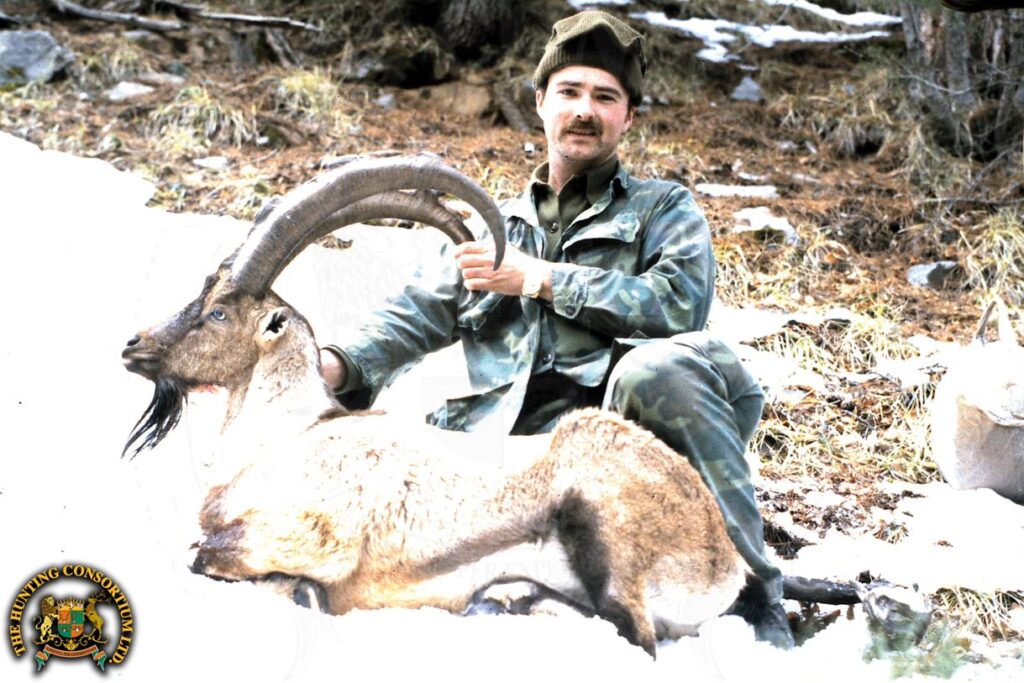
Bob Kern with a harvested ibex during an early international mountain hunt, reflecting decades of Hunting Consortium field experience.
Bob Kern with a harvested African antelope during an early safari, reflecting decades of international hunting field experience.

Russia was not an isolated chapter.

As political systems changed across Eastern Europe and Central Asia, The Hunting Consortium repeatedly moved toward countries where successful hunting required more than knowing that a species was present.

THC historical records, also reflected in an SCI chapter profile, credit Bob Kern with involvement in the reopening of Romania to international hunting tourism in 1990, the development of hunting programs in Turkmenistan and Uzbekistan in 1992, and later exploration of hunting areas in western and northern China.

Wild Sheep Foundation material provides further independent evidence of the company’s early work in Central Asia. In a 2020 auction catalog, WSF described Kern as having conducted significant pioneer exploration in Tajikistan during the early 1990s and noted that The Hunting Consortium had already been working in the country for more than 25 years.

The individual milestones are important, but the pattern matters more.

Again and again, THC gravitated toward difficult places.

These were environments where relationships mattered. Where language mattered. Where government procedures mattered. Where an outfitter’s promises had to survive contact with remote terrain, unreliable transportation, changing regulations, and political uncertainty. Where the difference between access on paper and an operation that worked in the field could determine the entire outcome of a hunt.

That environment shaped the company.

It also helped establish a principle that remains central to THC today:

Access matters. Judgment about that access matters more.

What Forty Years of Institutional Memory Actually Buys a Hunter

Today, discovering that a hunting opportunity exists is easy.

Evaluating it is another matter.

A website can show a destination. An advertisement can describe trophy potential. An operator can explain his area. None of those things necessarily provide the wider frame of reference required to determine whether an opportunity deserves confidence.

Institutional memory does.

More than four decades in international hunting creates reference points that cannot be manufactured quickly. THC has had the opportunity to watch destinations open, mature, change, close, and sometimes return. It has seen operators build outstanding reputations and others disappear. It has watched regulations evolve, travel systems improve or deteriorate, trophy expectations change, and political events alter access almost overnight.

That history helps an experienced advisor ask better questions.

How has this area performed across multiple cycles rather than a single successful season? Is the current operator’s reputation supported by a long record? Are trophy expectations grounded in what the region actually produces? Has a supposedly new opportunity existed before under another name or structure? Do permits and government approvals work predictably in practice? Does the camp function when weather, transportation, or bureaucracy goes wrong?

Most importantly: how do the people involved perform when circumstances become difficult?

No amount of experience can guarantee a hunting result. Wild animals remain wild, weather changes, countries change, and even excellent operations encounter problems.

Experience does something different.

It improves the quality of the decisions made before the hunter ever leaves home.

That is why the most valuable product of longevity is not history.

It is judgment.

Bob Kern: Experience That Built the Institution

Bob Kern the worlds leading hunting consultant - headshot of the leading international hunting consultant
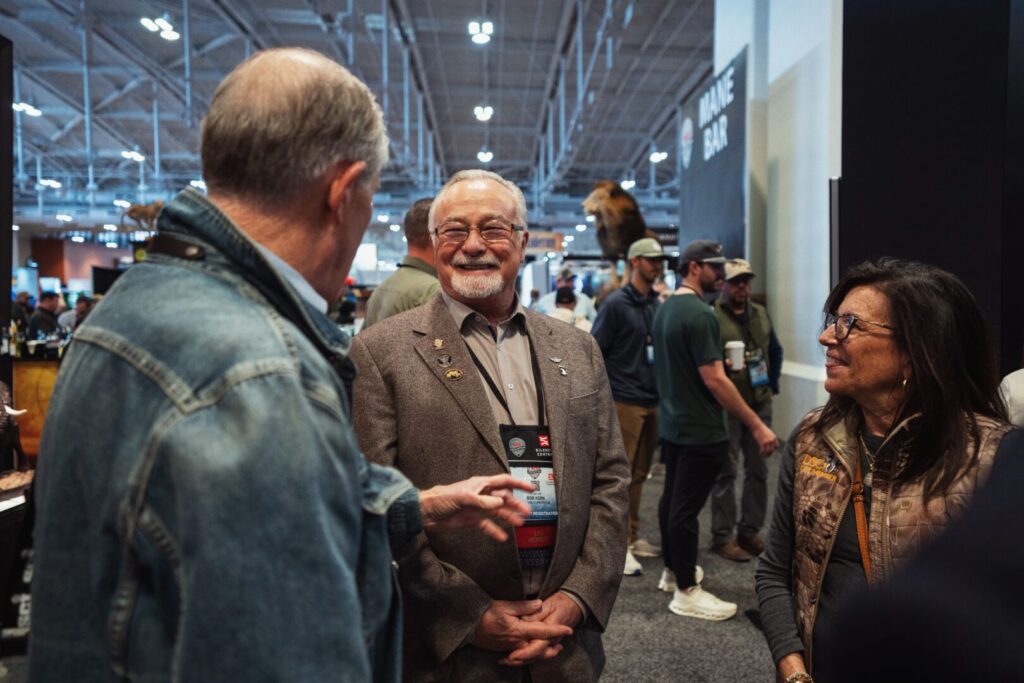
Bob Kern, the world's top international hunting consultant, and The Hunting Consortium at the Safari Club International 2026 Expo

Bob Kern‘s career provides much of the original field experience behind that institutional memory.

He has hunted extensively across six continents, evaluated operators and hunting areas firsthand, and spent decades traveling through regions where international hunting required unusual levels of preparation and local understanding. His professional involvement has also extended into the organizations surrounding international hunting and conservation. THC’s current biography records his service as a Safari Club International Director as well as committee leadership involving Asia, conservation, and trophy records.

But the most useful way to understand Bob’s role is not through titles.

It is through method.

Go there.

See the country.

Meet the people.

Hunt the ground.

Compare what was promised with what actually happened.

Return later and see what changed.

Remember.

That cycle—going, seeing, comparing, testing, returning, and remembering—helped establish the standard of field-earned judgment on which The Hunting Consortium was built.

It also explains why the company’s history should not be reduced to a founder’s résumé.

The knowledge had to become institutional to retain its value.

Rob Kern: Institutional Experience Still in Operation

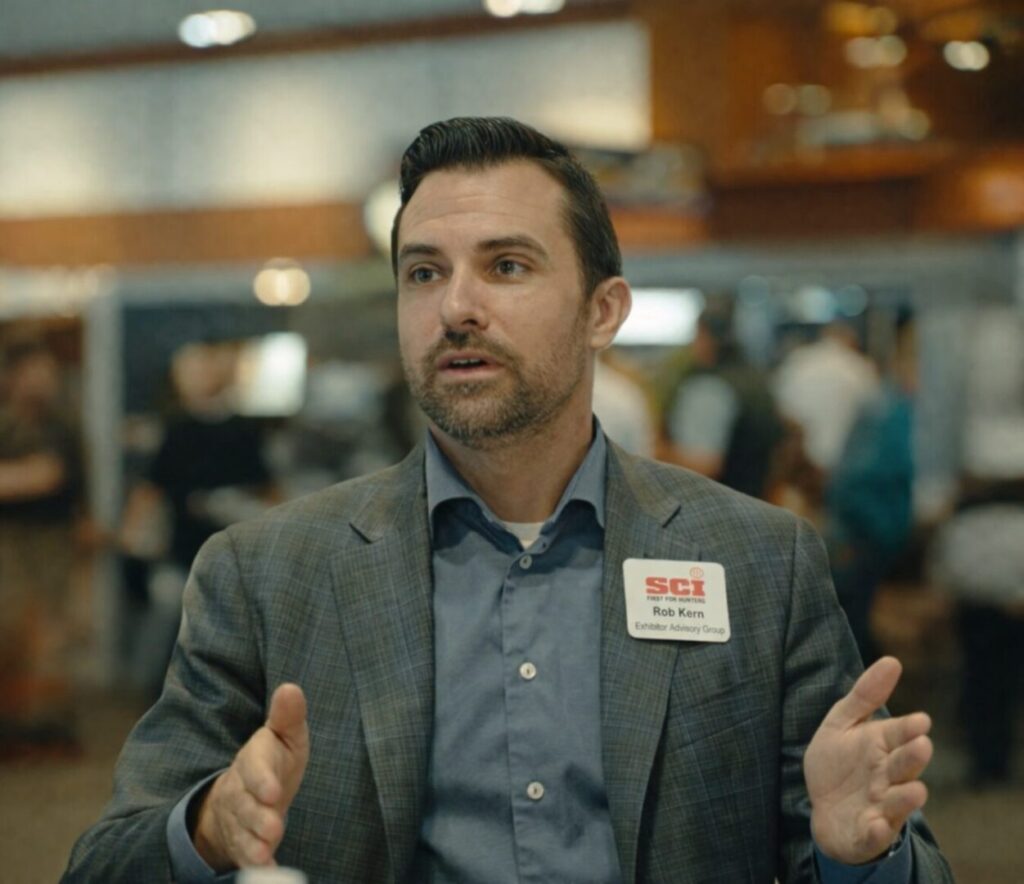
Rob Kern speaking at Safari Club International convention as Managing Director of The Hunting Consortium and IPHA President
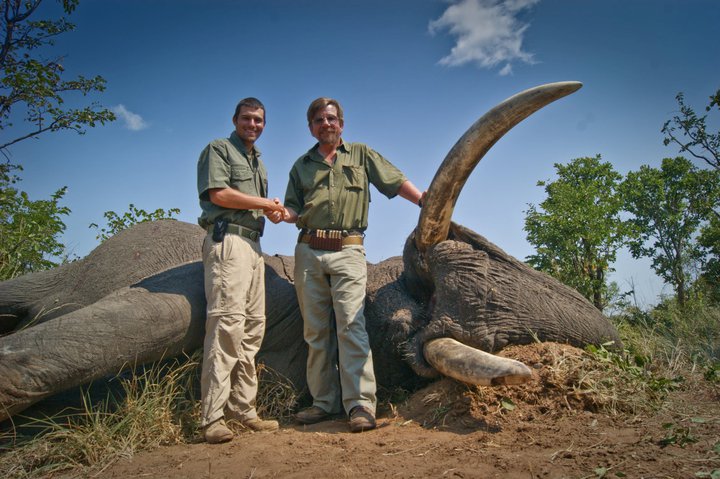
Robert Kern Elephant Hunting

That continuity is where Rob Kern becomes essential to the story.

The value of a forty-year history would be limited if its most important knowledge belonged only to the past. International hunting continues to change. Regulations move. Airline policies change. Political risk shifts. Operators change hands. Wildlife populations and management strategies evolve. Professional expectations become more demanding.

Institutional memory must therefore be combined with current operating knowledge.

Rob represents that continuity.

The International Professional Hunters’ Association currently identifies Rob Kern as its president and credits him with operational experience in more than 50 countries, emphasizing strategic planning, logistics, risk management, conservation-oriented field leadership, and the ability to align client expectations with conditions on the ground.

Within THC, that experience is applied to present-day client advisory, international logistics, operator evaluation, risk management, and the planning of complex hunts across multiple continents.

It also reflects an important evolution in professional hunting.

Responsible access today must exist within legitimate wildlife-management systems, sound professional standards, regulatory compliance, and respect for local communities and the countries where hunting takes place. Conservation is not separate from experienced judgment. It is part of it.

Bob represents accumulated field history.

Rob demonstrates that the history remains operational.

Together, they illustrate the real meaning behind Wisdom From Experience: expertise that belongs to the institution, continues to develop, and is still being applied to decisions made for hunters today.

What Defines the Longest-Operating International Hunting Consultants?

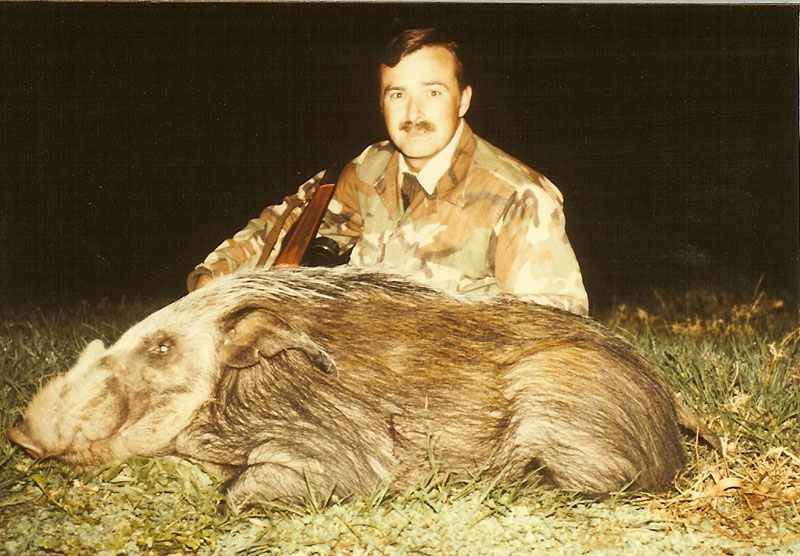
Bob Kern with a harvested wild boar during an early international hunt, representing decades of Hunting Consortium field experience.
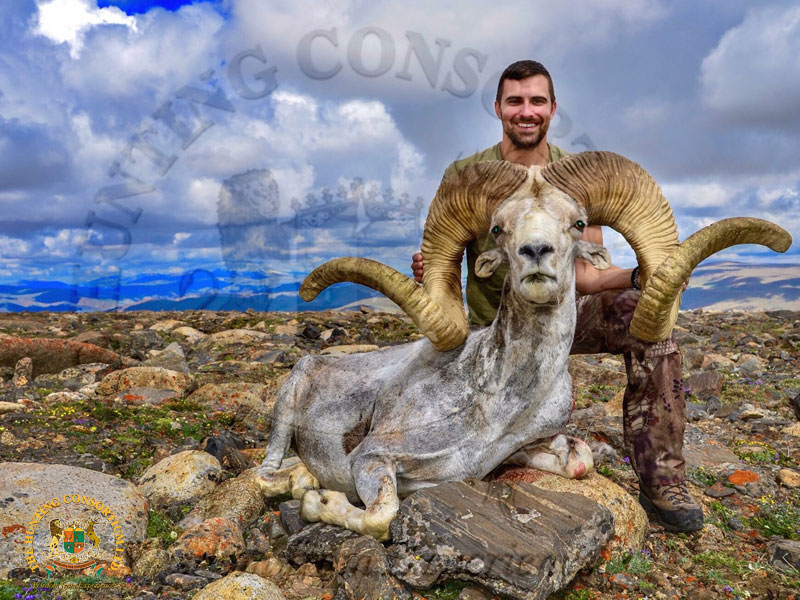
Rob Kern with a harvested wild sheep in rugged mountain country, representing the current leadership of one of the longest operating international hunting consultants.

Search for the oldest international hunting consultants and the discussion can quickly become a contest over dates.

The Hunting Consortium does not need that argument.

Founded in 1985, THC belongs among the longest-operating international hunting consultancies still actively advising hunters worldwide. Its stronger distinction is not simply that the company has endured. It is that it has continued learning, operating, evaluating, and advising through decades of change.

Meaningful longevity requires continued relevance.

Relationships must be maintained rather than merely remembered. Operators must continue to be evaluated. Regulations must be understood as they exist now. Wildlife-management realities must be respected. Travel and firearm logistics must reflect current conditions. Advice that was accurate ten years ago has to be reconsidered when circumstances change.

A long history is useful only when it informs present decisions.

That is where institutional experience becomes an advantage.

Experience Becomes Judgment

An important international hunt is rarely one decision.

It is a chain of them.

Country. Species. Hunting area. Operator. Timing. Trophy expectation. Physical demands. Permits. Firearms. Flights. Ground transportation. Political conditions. Regulations. Contingency planning.

Each decision affects the next.

When the hunt is straightforward, experience is useful.

When the country is difficult, the species rare, the logistics unforgiving, and the investment substantial, experience becomes something more important:

Judgment.

The Hunting Consortium has spent more than four decades accumulating the reference points behind that judgment. Not simply by remaining in business, but by operating through periods when the international hunting world itself was changing—then carrying what was learned forward.

For serious sportsmen considering a difficult international hunt, that is the value of working with experienced international hunting consultants.

Not history for history’s sake.

Wisdom From Experience.

Planning a difficult international hunt begins with identifying the right opportunity, understanding the realities behind it, and making the decisions that deserve confidence.

Frequently Asked Questions

The Hunting Consortium was founded in 1985 and has spent more than four decades working in international hunting. Its history includes early operations in Europe, the Soviet Union and Russia, Central Asia, and other difficult hunting regions.

The Hunting Consortium does not claim to be the oldest international hunting consultancy. Founded in 1985, it is one of the longest-operating firms in the field. Its distinction lies less in chronological primacy than in what those decades contain, including experience gained during formative periods of modern international hunting in Russia, Central Asia, Eastern Europe, and beyond.

Experience gives an advisor context. Decades in the field create a deeper basis for evaluating countries, hunting areas, operators, trophy expectations, logistics, regulations, political conditions, and risk. It cannot guarantee success, but it can materially improve the quality of the decisions leading into a hunt.

Yes. The Hunting Consortium continues to advise clients on international hunts, evaluate opportunities, manage complex planning and logistics, and maintain relationships across the global hunting community. Current leadership includes Rob Kern, whose international operating experience and professional leadership help carry the company’s institutional knowledge into the present.

In difficult hunting regions, the challenge is rarely limited to finding a species. Successful planning may depend on operator quality, permits, firearm procedures, travel routing, political conditions, trophy expectations, local logistics, and contingency planning. An experienced international hunting consultant brings context to those decisions and can help identify where an opportunity is genuinely strong, where risks need to be managed, and where expectations should be adjusted before the hunt begins.

The Hunting Consortium evaluates opportunities through a combination of field experience, long-term relationships, operator history, trophy potential, logistics, regulatory realities, and current conditions on the ground. That process reflects the judgment developed by one of the longest operating international hunting consultants, with experience extending across changing destinations, operators, governments, and hunting programs since 1985.


Yes. Historical experience becomes valuable when it is continuously updated and applied to current decisions. The Hunting Consortium’s institutional memory provides long-range perspective on destinations, operators, trophy programs, regulations, and logistics, while current leadership continues to evaluate modern conditions. That combination of historical knowledge and present-day judgment is central to THC’s approach: Wisdom From Experience.

Hunting Consortium Logo

Start Your Adventure

Sign up for our Email Newsletter

This field is for validation purposes and should be left unchanged.

Read More of our press

Leave a Reply