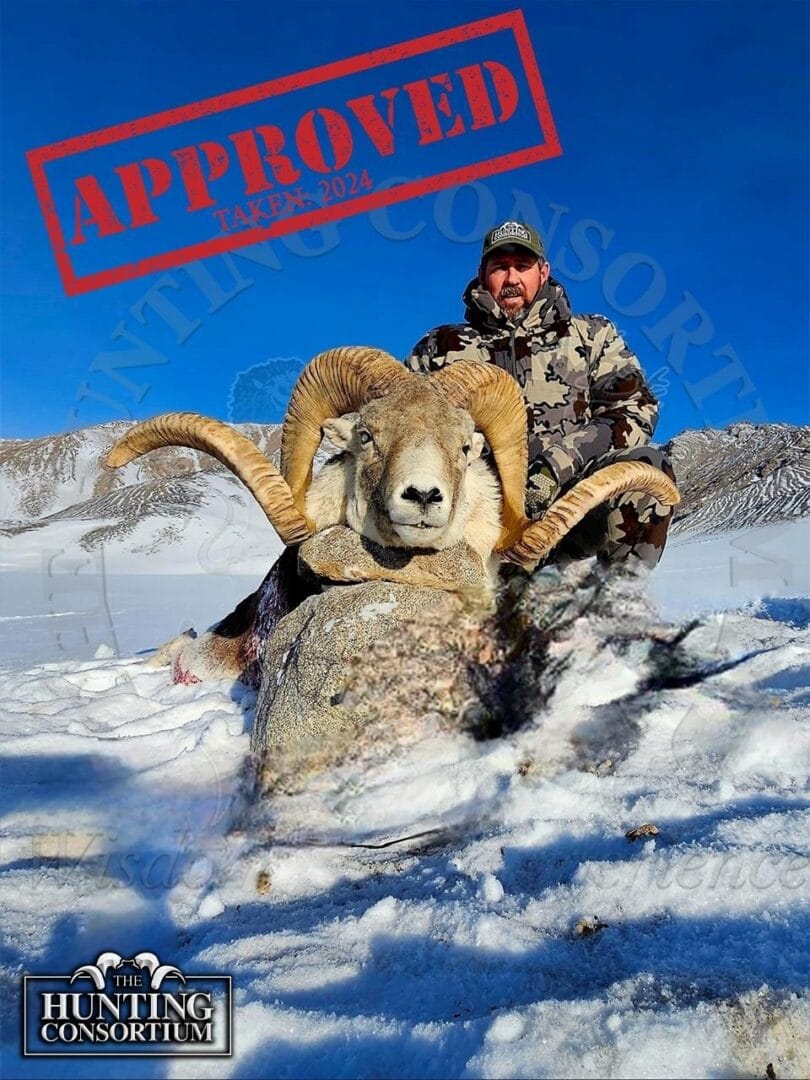
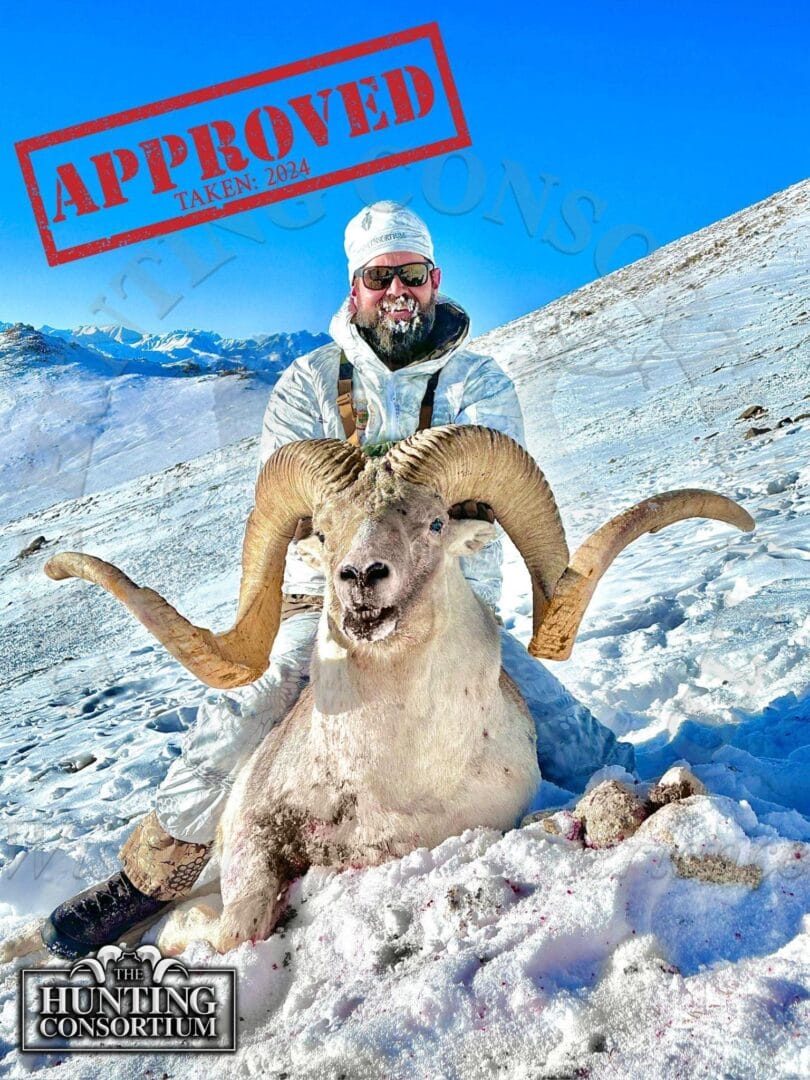
Longevity alone does not make a great international hunting consultant....Read More
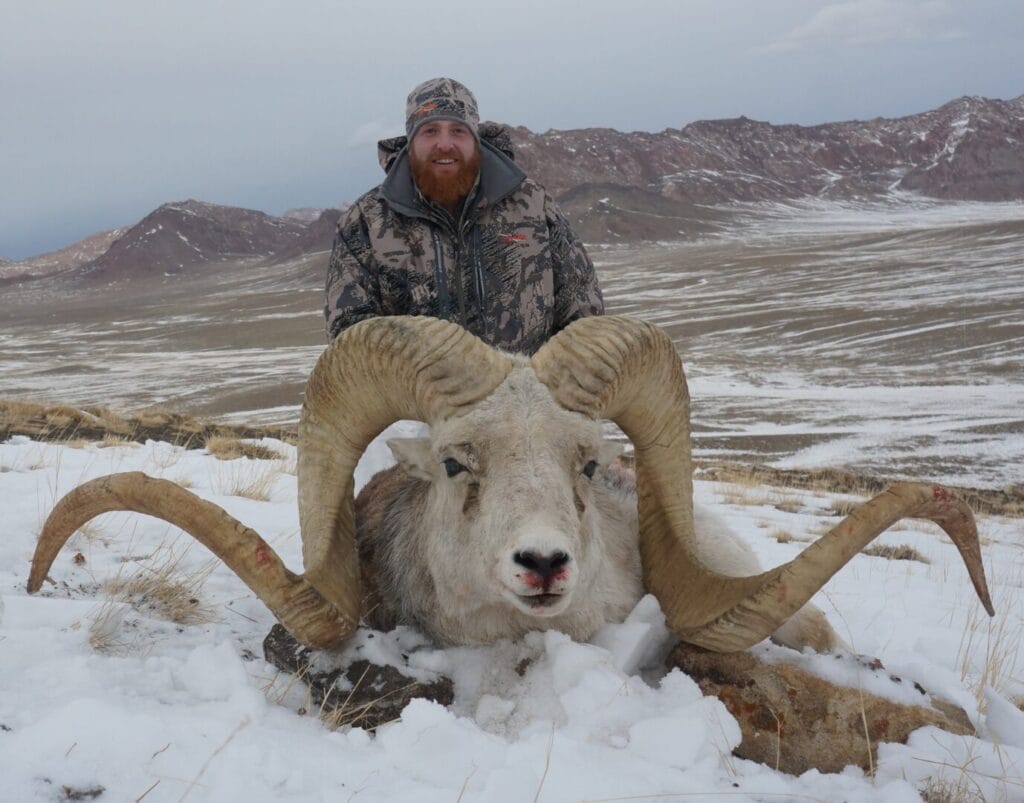


That distinction matters. In this part of the world, a poor decision made early can follow a hunter all the way through the hunt: unclear trophy expectations, difficult travel, weak communication, paperwork problems, mishandled firearms, uncertain export planning, or an area that does not match the hunter’s physical ability or objectives.
The Hunting Consortium approaches hunting Marco Polo sheep in Kyrgyzstan and Tajikistan as a high-consequence decision. This is not a matter of finding an open date. It is a matter of identifying the right opportunity, preparing correctly, and entering difficult country with confidence. That is where trusted guidance, precision planning, and Wisdom From Experience become more than brand language. They become the difference between simply arranging a hunt and pursuing a world-class trophy opportunity properly.
More about Marco Polo Sheep Hunting
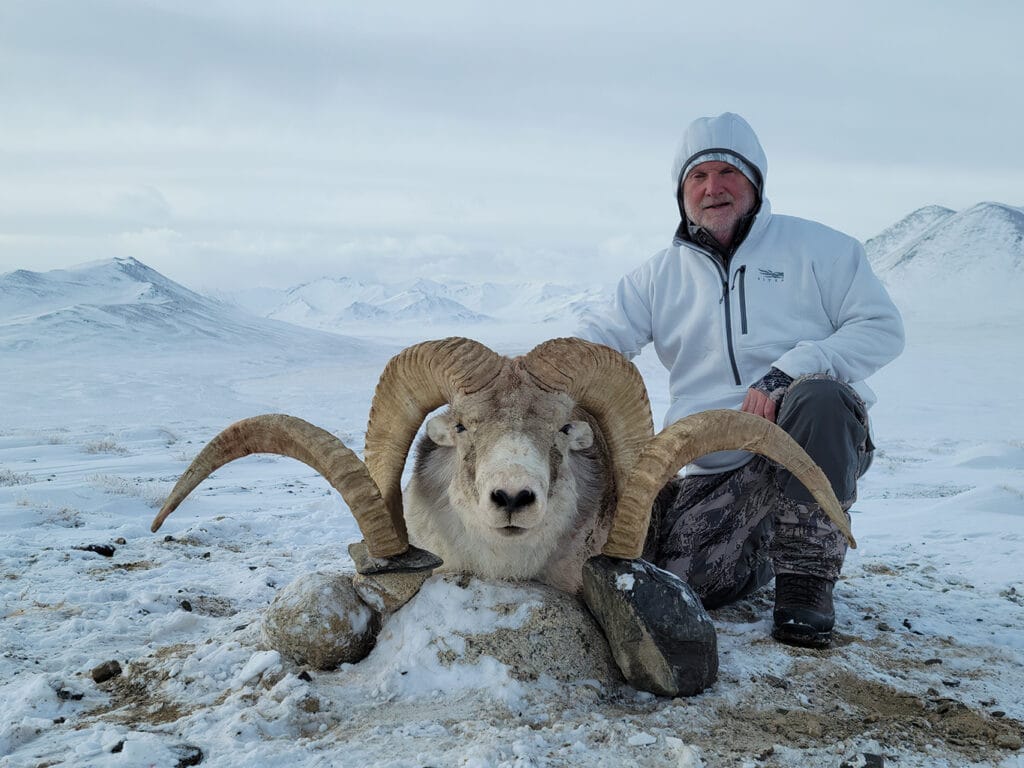
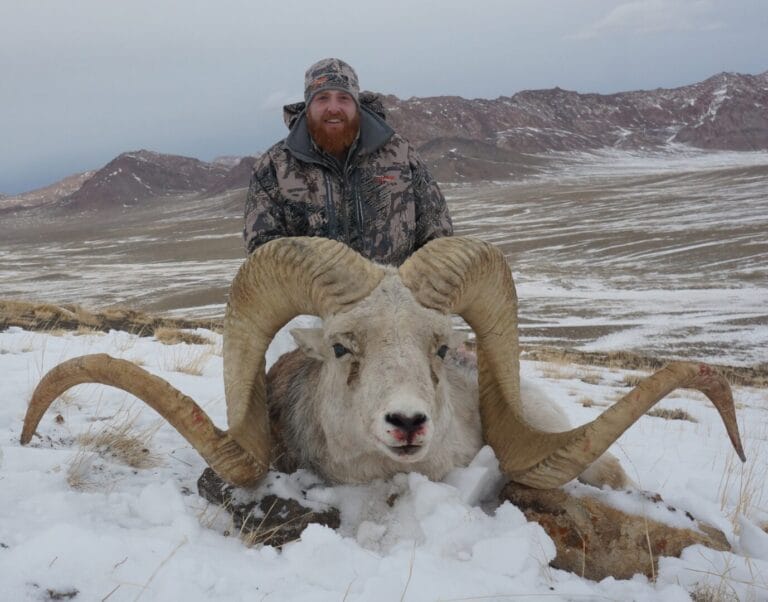
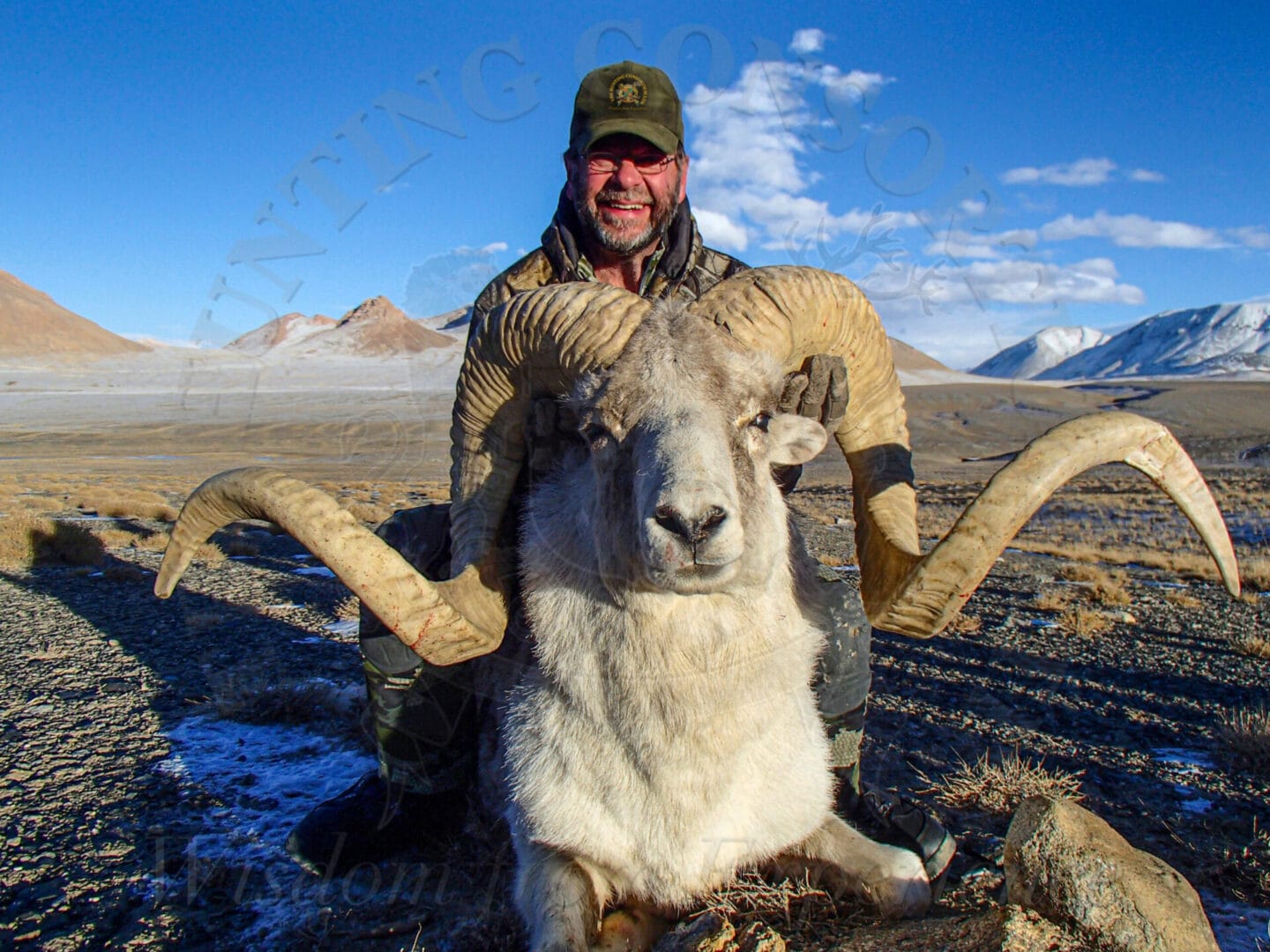
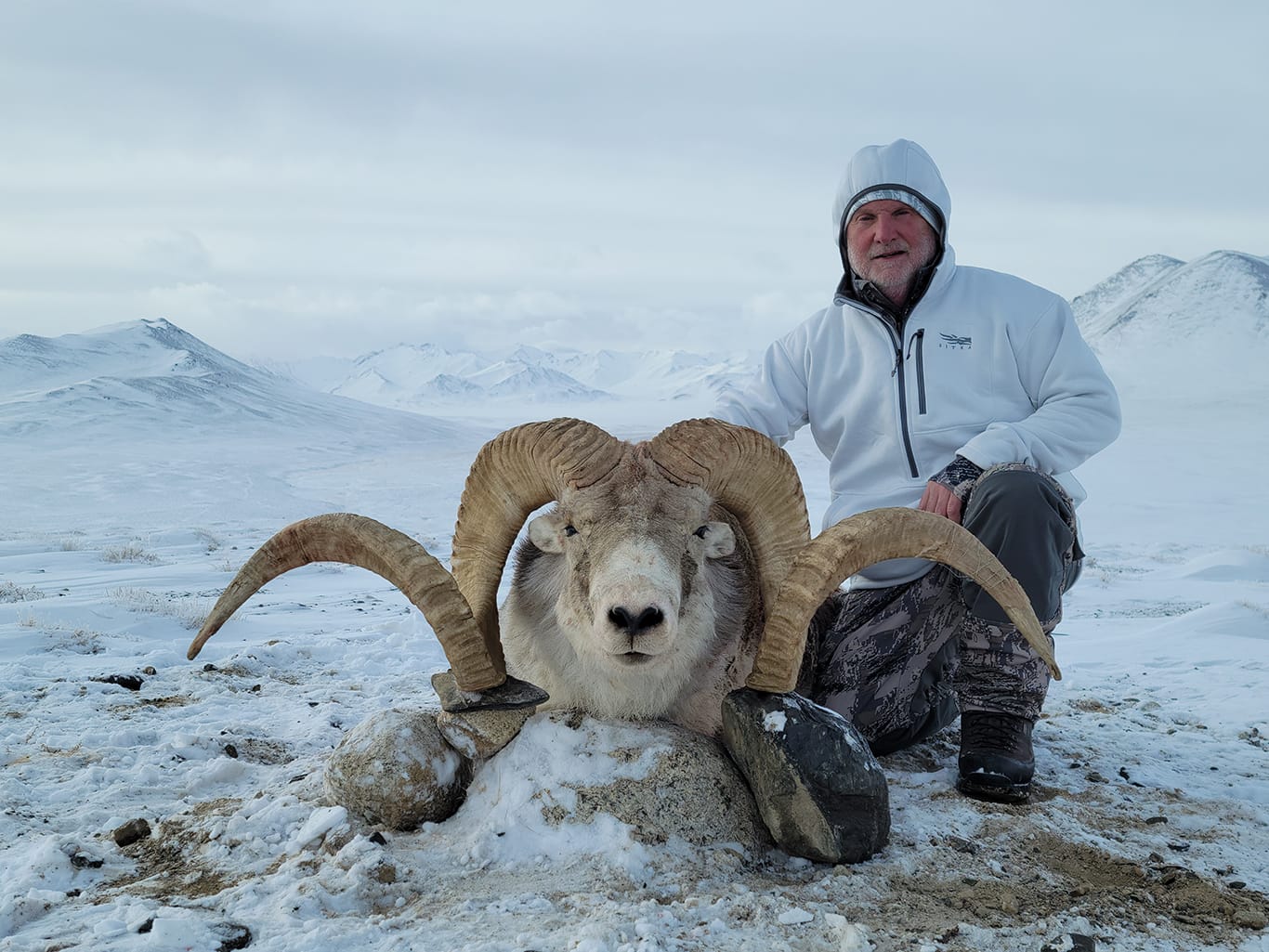
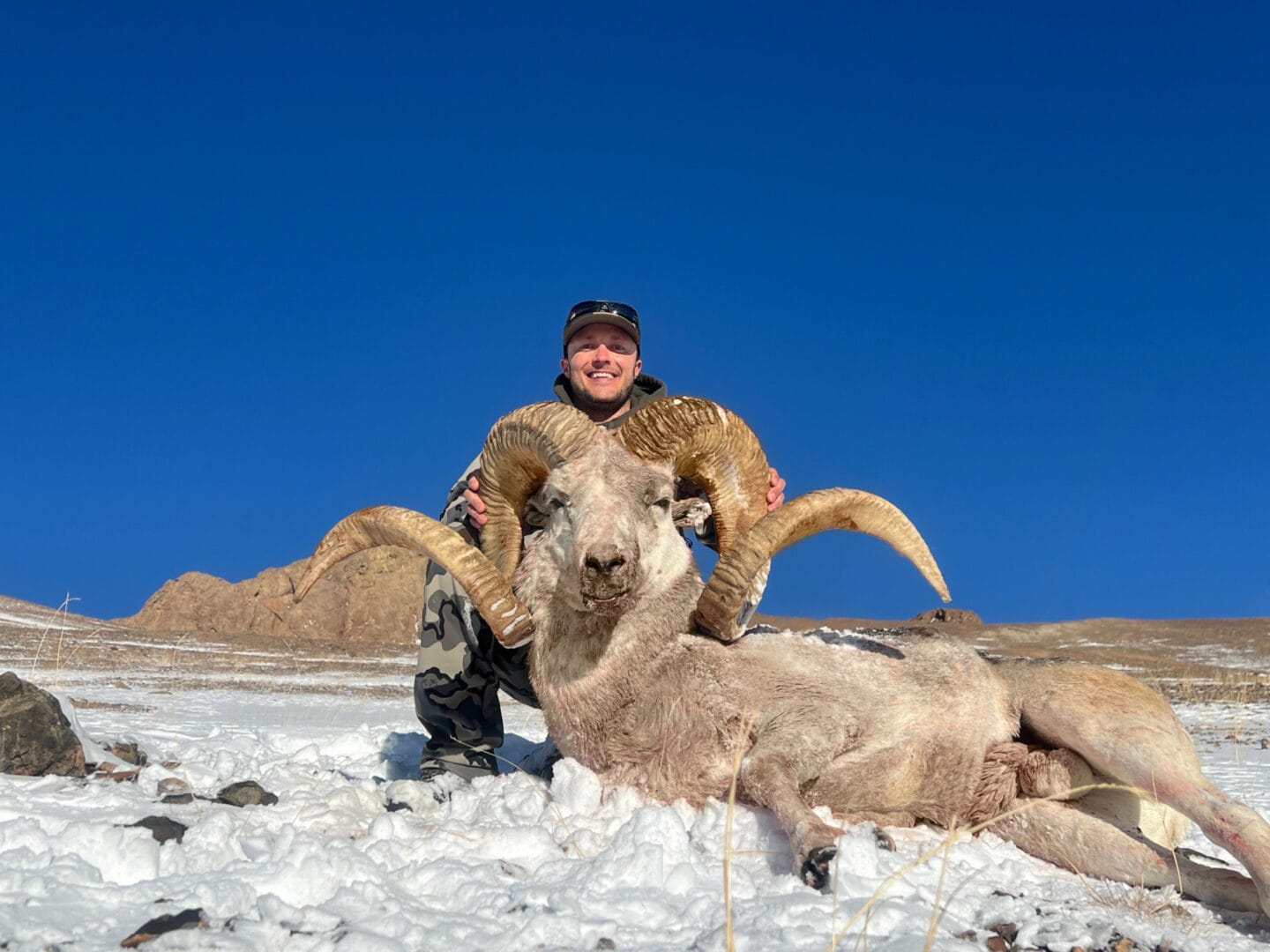
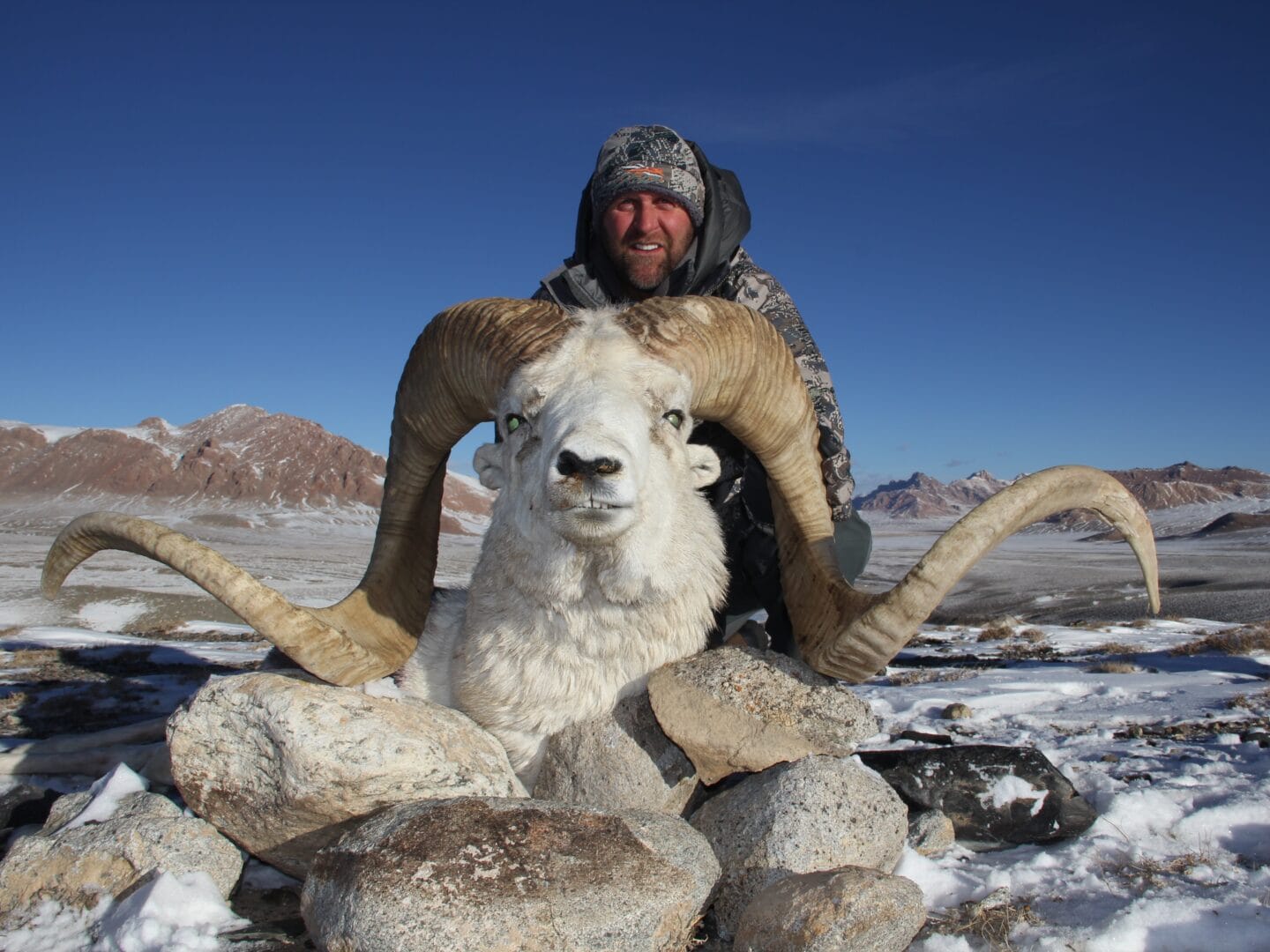
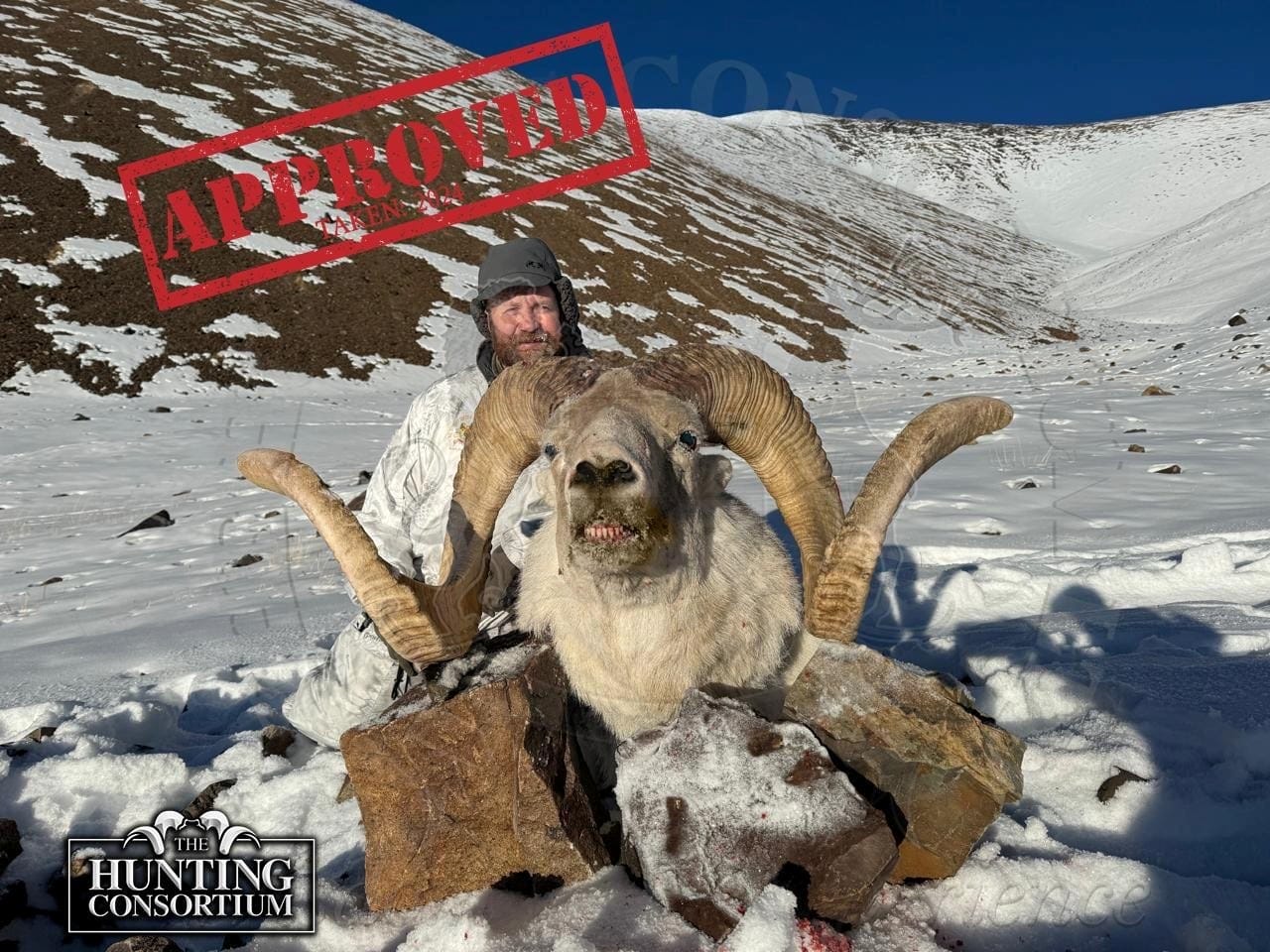
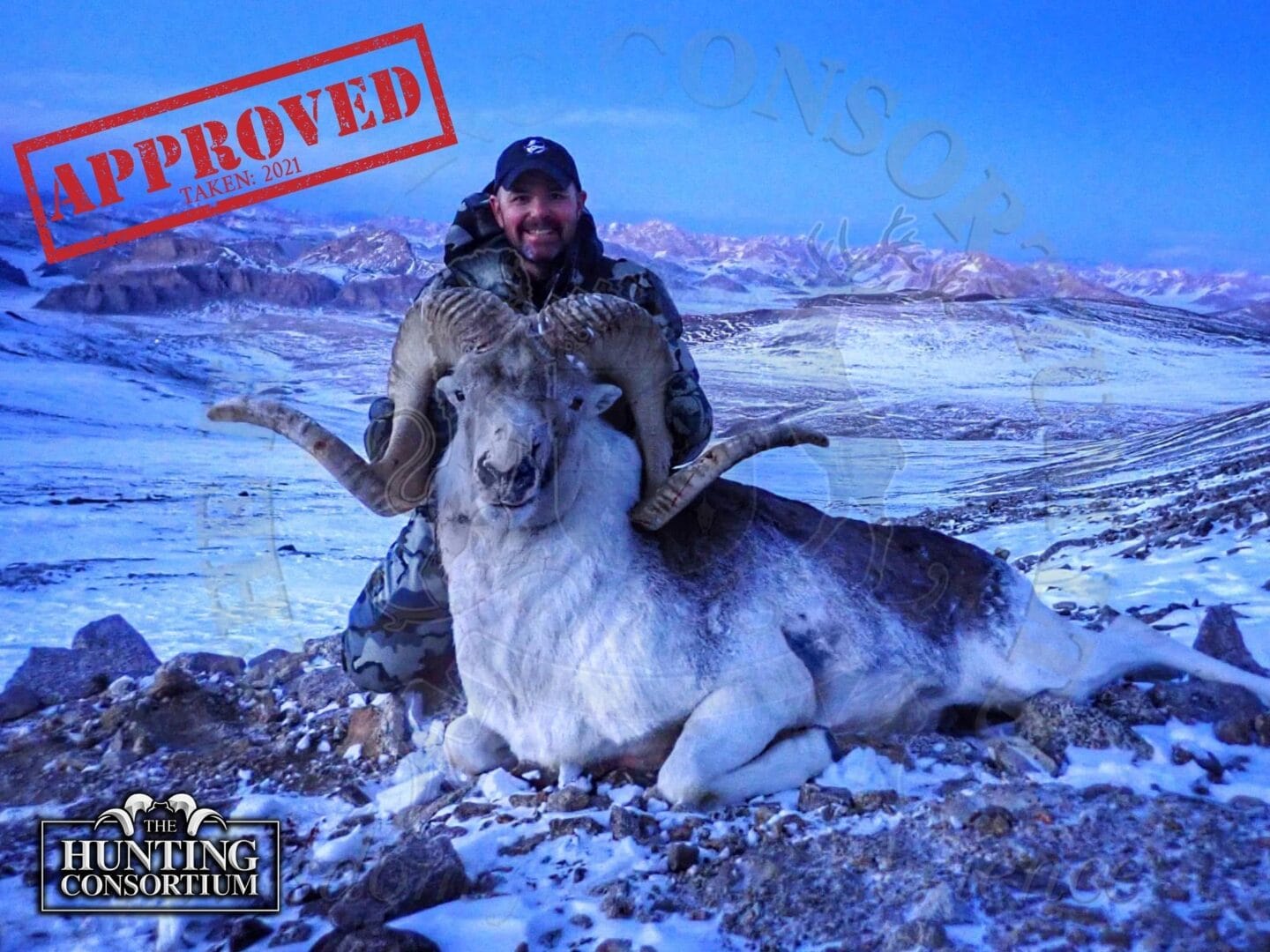
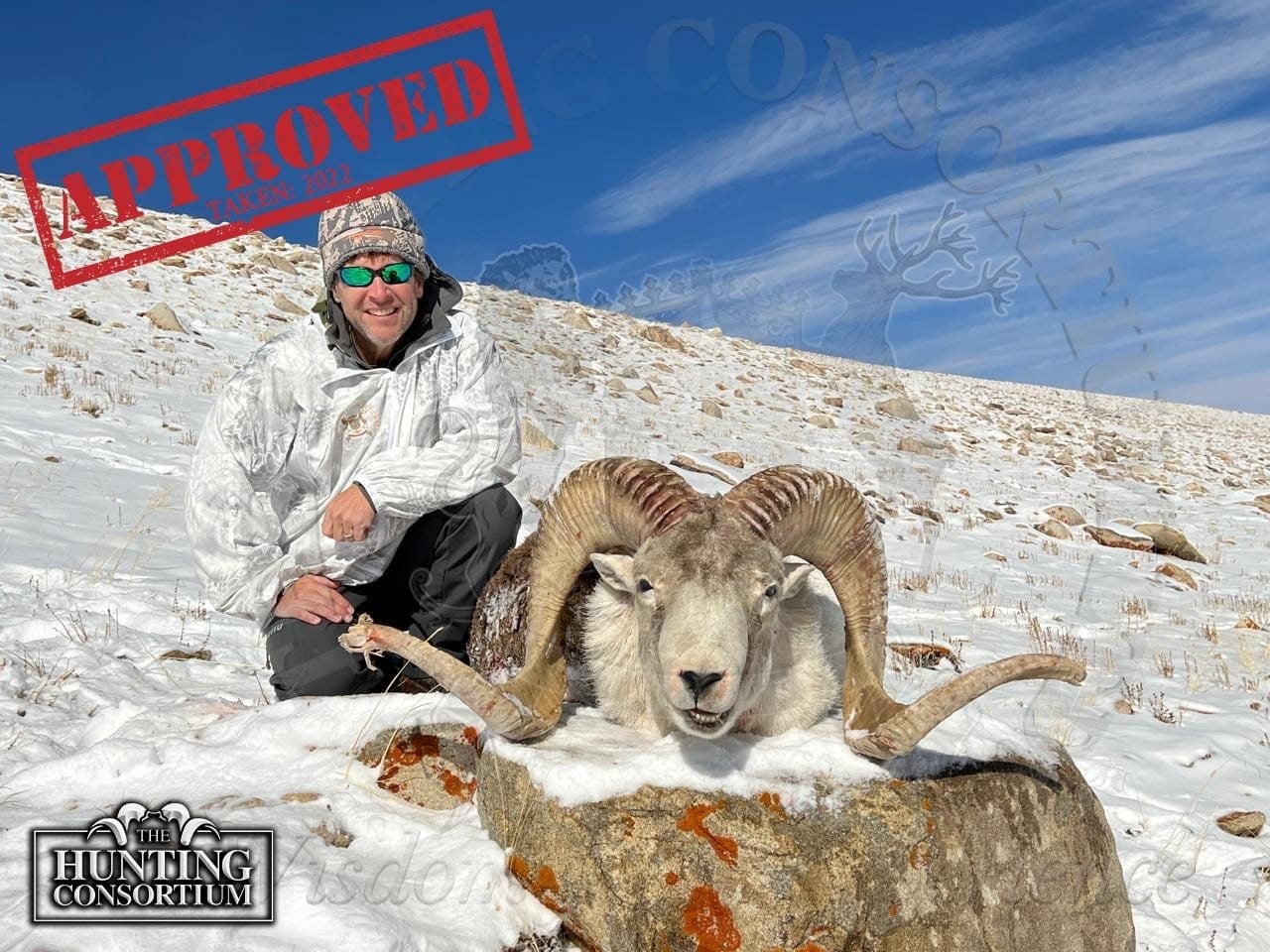
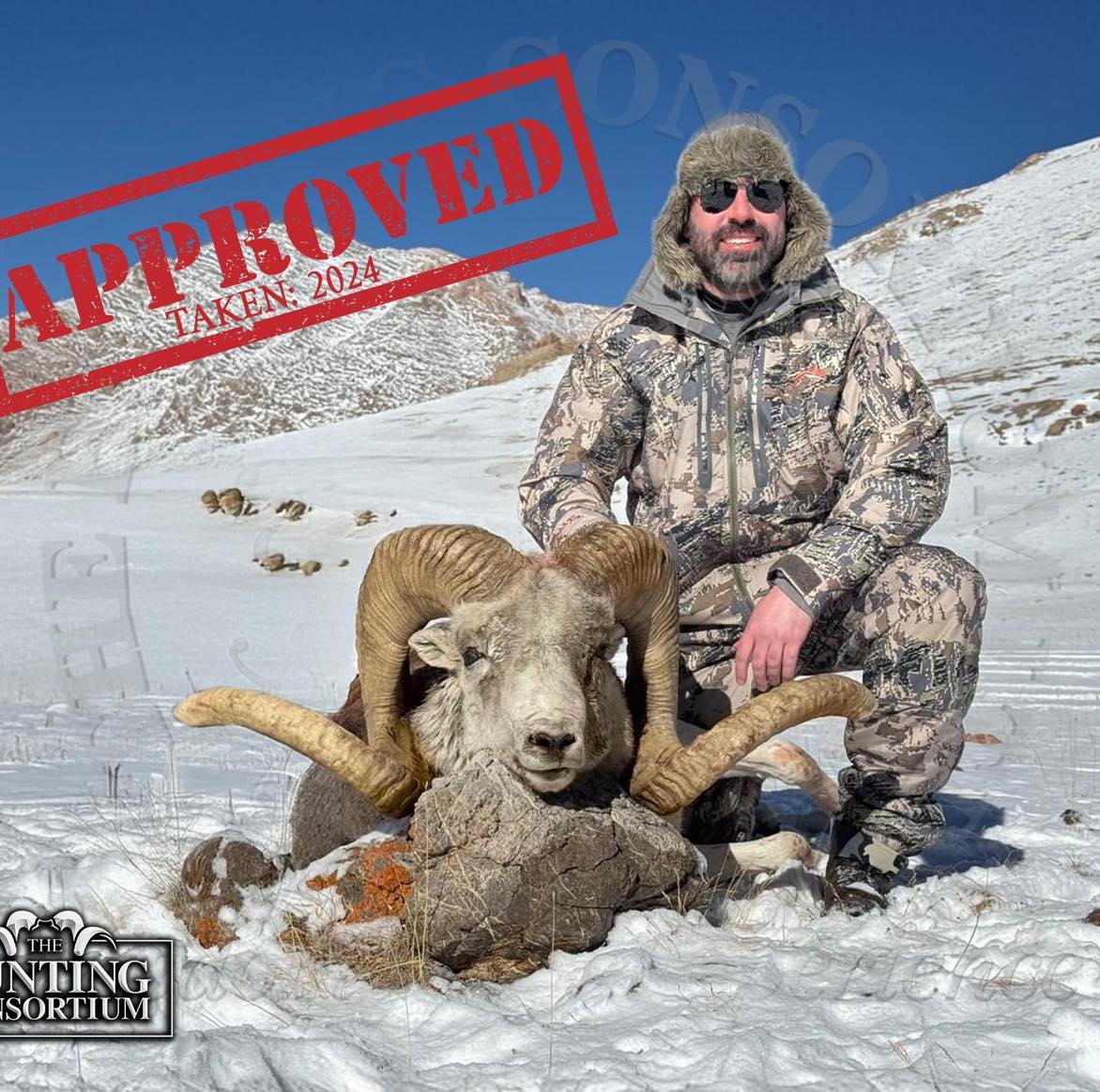
Marco Polo sheep are part of the argali complex, the great wild sheep of Asia. They are known for their long, sweeping horns, open high-altitude habitat, and deep association with the Pamir and surrounding mountain systems of Central Asia.
For experienced sheep hunters, the appeal is obvious. These are not ordinary mountain trophies. A mature ram carries presence, scale, and history. The country itself adds weight to the pursuit: wide basins, hard wind, thin air, long glassing sessions, and the kind of distance that makes judgment essential.
For hunters newer to international mountain hunting, it is important to understand that names, classifications, local terminology, and hunt offerings can vary across regions. Marco Polo, Hume, Matisoni, and other argali-related terminology may appear in different contexts depending on the area, country, and operator.
A serious hunter should know exactly what species or subspecies is being offered, where it is being hunted, what permits apply, and whether the legal and import path is clear before committing to hunting marco polo sheep in Kyrgyzstan and Tajikistan.
That is one of the first places an experienced advisor earns his keep.
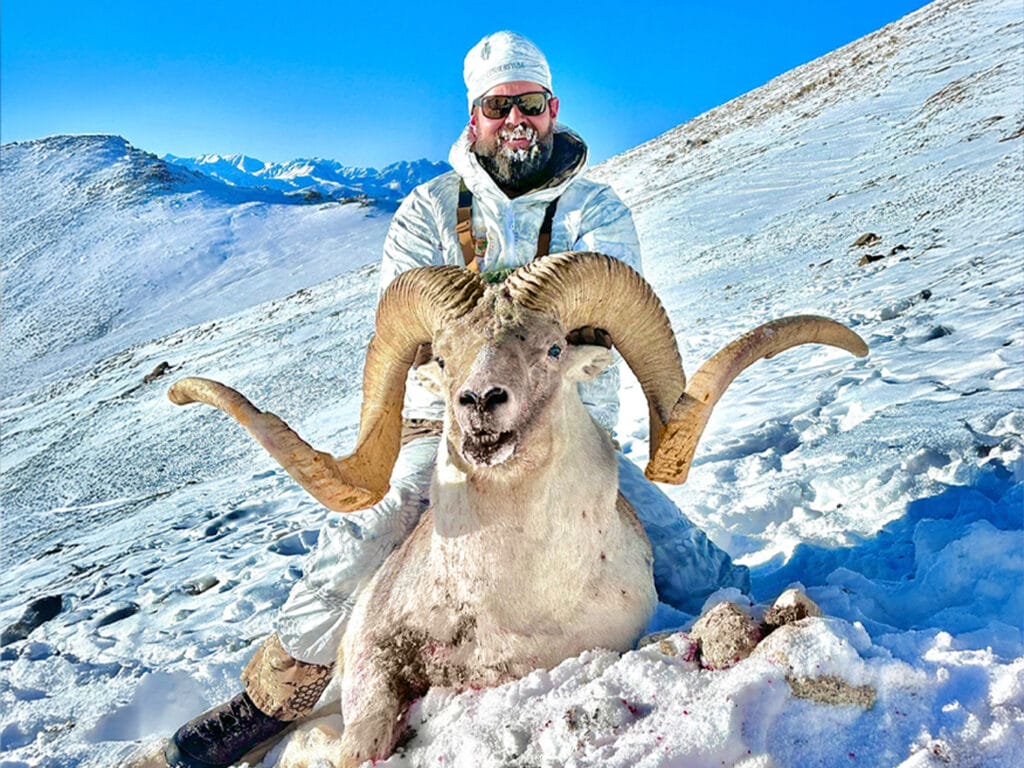
The phrase Marco Polo sheep in Kyrgyzstan and Tajikistan covers a serious and nuanced part of Central Asian mountain hunting. Both countries belong in the broader conversation around Marco Polo and related argali hunting, but they should not be treated as interchangeable.
A country name alone does not tell a hunter enough about hunting Marco Polo sheep in Kyrgyzstan and Tajikistan. The exact hunting area, concession history, quota situation, outfitter, terrain, travel route, field team, trophy expectations, and documentation process matter far more than a simplified country comparison.
One Tajikistan hunt may differ meaningfully from another Tajikistan hunt. One Kyrgyzstan program may place very different demands on a hunter than another.
Some hunts may involve long vehicle transfers, remote camps, horseback support, hard riding, sustained glassing, or demanding foot travel. Others may differ in access, elevation, weather exposure, or trophy objective.
This is why The Hunting Consortium does not treat Central Asian sheep hunting as a menu of available dates. The work begins earlier: determining what the hunter is truly trying to accomplish, which area supports that objective, and whether the program can be executed correctly from first conversation through trophy import planning.
More about Hunting in Tajikistan
More about Hunting in Kyrgyzstan
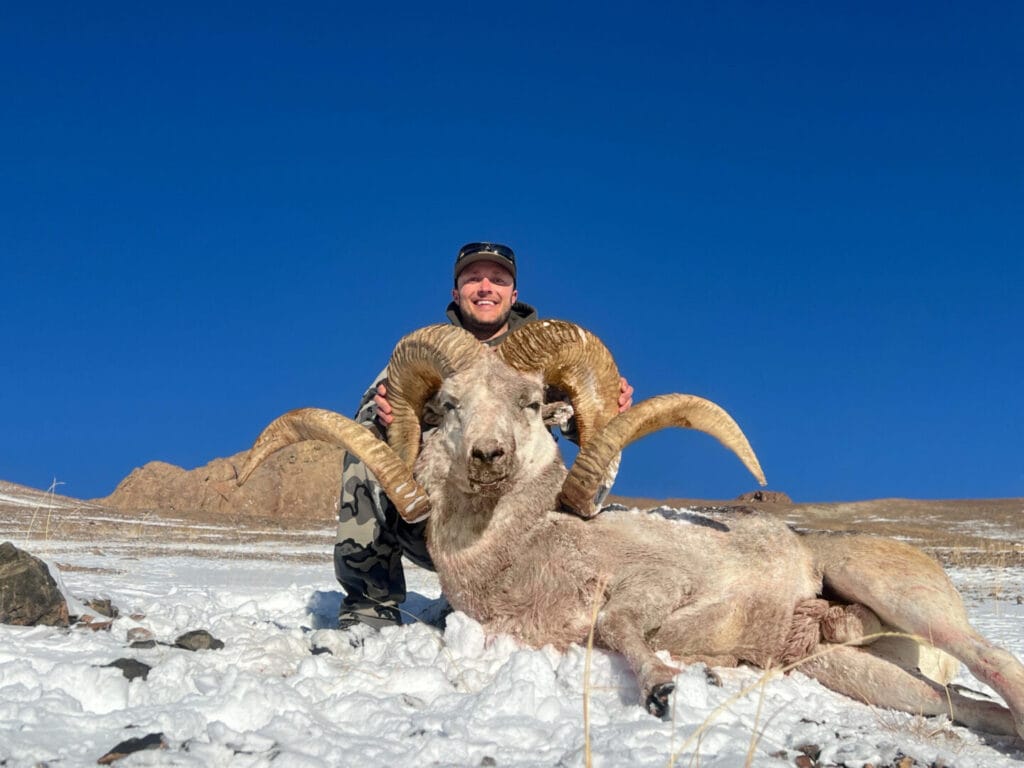
Tajikistan is one of the most recognized destinations associated with classic Marco Polo sheep hunting. The image many hunters carry in their minds—wide, open mountain country, pale basins, distant rams, long-range glassing, and the Eastern Pamirs—is closely tied to Tajikistan.
The general character of the hunt is serious and unmistakably Central Asian. Hunters should expect remote travel, high elevation, cold weather potential, long days behind optics, and careful judging of mature rams at distance. The country can be open enough to see a long way and demanding enough to make every movement matter.
In many programs, the hunt is less about climbing steep cliffs all day and more about endurance, optics, patience, elevation, and making the right move when a ram is found. That does not make it easy. Thin air, wind, cold, distance, and the logistics of remote travel can expose poor preparation quickly.
Tajikistan is not a hunt to arrange casually. Hunters should confirm current legal requirements, area details, permit structure, firearm procedures, export documentation, and import considerations before committing funds or dates. The exact requirements can change, and the right program must be evaluated with current knowledge.
Strong local execution matters. So does the planning behind it. A hunter needs confidence not only in the camp, but in the paperwork, the travel path, the trophy handling, and the people responsible for communication when conditions change.
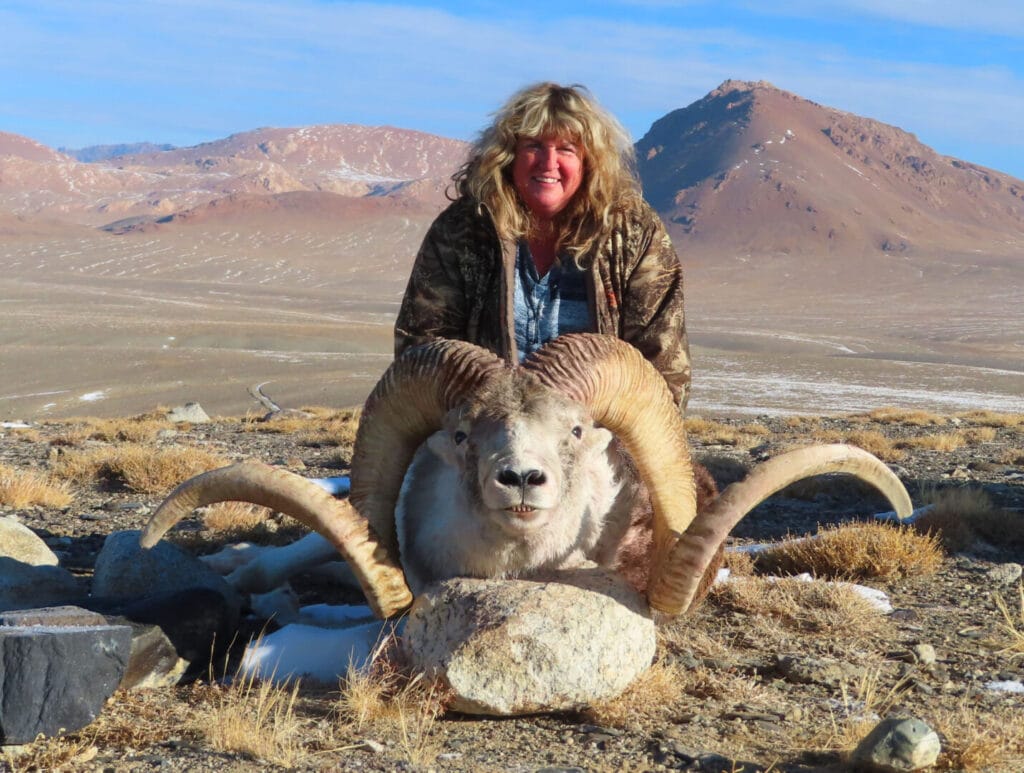
Kyrgyzstan occupies an important place in the broader Central Asian sheep hunting landscape. Its mountain systems, hunting traditions, and argali opportunities can appeal strongly to serious international hunters, but the details require careful review.
Depending on the area and program, Kyrgyzstan may involve different terrain, access, species or subspecies considerations, and physical demands than a Tajikistan Marco Polo sheep hunt. Some hunts may rely on horseback support. Some may involve more rugged mountain travel. Some may place greater emphasis on physical stamina, weather tolerance, and the ability to move efficiently in broken country.

The critical point is this: a hunter should understand exactly what he is pursuing and how the opportunity compares with his goals. Is the objective a classic Marco Polo ram? A related argali opportunity? A combined mountain hunt? A physically demanding experience in rougher country? A program built around specific terrain, timing, or access?
Those answers affect everything: rifles, optics, clothing, fitness, travel planning, expectations, and whether the hunt is truly right for the hunter.
This is where advisor-led planning is essential. The Hunting Consortium helps clients separate a meaningful opportunity from an attractive description. In Central Asia, that distinction matters.
This is where the decision becomes practical. Country, outfitter, and area selection are not abstract choices. They change the physical experience, the logistics, the paperwork, and the realistic outcome of the hunt.
Terrain shapes the entire hunt. Open basins, high plateaus, broken ridges, snow conditions, road access, horseback use, and camp placement can all change the experience. A hunt that looks manageable on paper may become demanding once weather, altitude, and distance are added.
Hunters should ask how the area is accessed, how far camp is from the hunting grounds, how animals are typically located, and what a normal hunting day requires. The answers should be specific, current, and tied to the actual area being recommended.
Marco Polo sheep hunting is a high-altitude mountain pursuit. Difficulty varies, but no serious hunter should treat it lightly. Cold mornings, long glassing sessions, wind exposure, uneven footing, extended days, riding demands, and the effects of elevation all matter.
Physical preparation should be honest. A hunter does not need to be reckless or extreme, but he does need to be realistic. Conditioning, rifle practice, layered clothing systems, hydration discipline, and the ability to function in remote conditions all influence the hunt.
Trophy expectations should never be built on generic claims. They should be based on current area quality, recent field reports, quota structure, outfitter history, age-class management, and what is realistic for that specific hunt.
A serious consultant should help a hunter understand the difference between what is possible, what is probable, and what should be considered a good mature ram for the area. That conversation should happen before the hunter commits.
Central Asian mountain hunting involves more than the days in camp. International flights, firearm travel, customs procedures, overland transfers, weather delays, road conditions, camp access, communications, and trophy handling all require planning.
The difficulty is not always in one dramatic moment. Often it is in the chain of small details that must be handled correctly. A missed document, a vague travel plan, or poor coordination can create problems before a hunter ever sees sheep country.
U.S. hunters and other international hunters must understand export and import requirements before committing to a Marco Polo sheep hunt. A hunt being legal in the destination country does not automatically mean every trophy import path is simple, current, or guaranteed.
Permits, export documents, veterinary paperwork, shipping coordination, taxidermy handling, and destination-country requirements must be reviewed carefully. This must be verified before arranging the hunt. The exact requirements can change, and assumptions are not a substitute for current guidance.
Before committing to a Marco Polo sheep hunt in Kyrgyzstan or Tajikistan, speak with The Hunting Consortium. The right guidance at the beginning can determine the quality, legality, and execution of the entire hunt.
More about our Travel Planning
Contact us to schedule a consultation
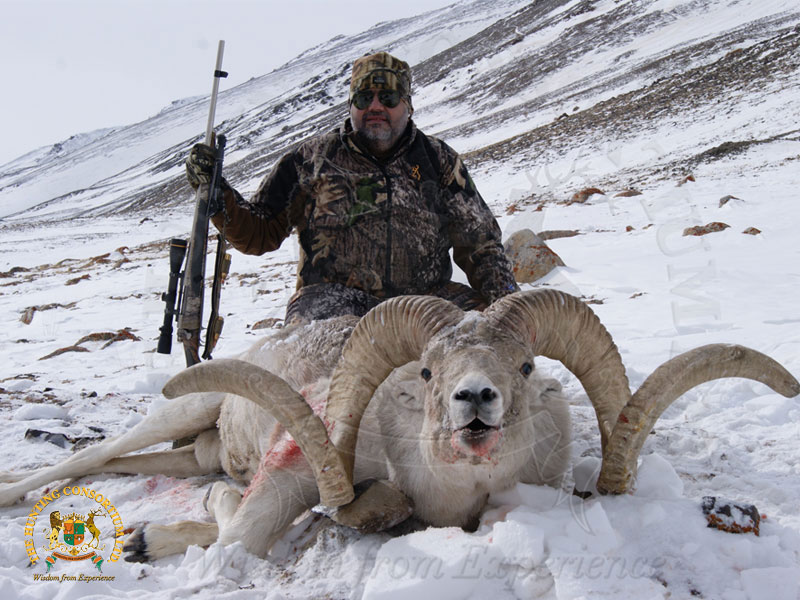
The best time to hunt Marco Polo sheep depends on the country, legal season, area, weather, rut timing, outfitter availability, and the hunter’s objective. Exact dates should be confirmed for the specific program being considered.
Hunters often focus on when rams may be most visible or when conditions may favor glassing. Those are important factors, but they are not the whole decision. Weather windows, road access, camp readiness, legal availability, trophy objectives, and the hunter’s own schedule and preparation all matter.
The best time to hunt is not simply when rams are visible. It is best to hunt Marco Polo Sheep in Kyryzstan and Tajikistan when legal availability, weather, field conditions, trophy goals, and the hunter’s readiness align.
A serious consultant should help evaluate timing within the context of the actual hunt, not as a generic calendar answer.

Hunting Marco Polo sheep in Kyrgyzstan and Tajikistan is built on discipline. Days often begin early. The country is studied through glass before decisions are made. Rams may be seen at long distances, and judging them properly requires patience, experience, and calm communication between hunter, guide, and local team.
The conditions can be stark. Cold air, hard wind, altitude, and long periods of stillness behind optics are part of the work. When a stalk begins, the open country may offer little forgiveness. Distance, wind, animal movement, and terrain can all complicate the final approach.
Shooting preparation matters with Marco Polo Sheep in Kyrgyzstan and Tajikistan. Hunters should arrive with a rifle system they know thoroughly, a clear understanding of their ethical range, and enough practice from field positions to perform under pressure. Central Asia is not the place to discover uncertainty in equipment or ability.
Remote camp life should also be understood plainly. Comfort varies by program, but execution matters more than appearances. Good food, warmth, reliable vehicles or horses, competent staff, communications, and sound daily planning matter far more than polished presentation.
A serious hunter should care less about how a camp photographs and more about whether it performs when hunting Marco Polo Sheep in Kyrgyzstan and Tajikistan.

Responsible Marco Polo sheep hunting must be legal, documented, and aligned with wildlife management systems. Quotas, permits, concession rights, export documents, and import planning are not minor administrative details. They are part of the ethical structure of the hunt.
Well-regulated hunting can support wildlife value, local employment, anti-poaching incentives, and habitat interest when properly managed. But hunters should not accept broad assurances in place of specific answers.
Who holds the quota? Which area is being hunted? What permits are required? What documents will be issued? How will the trophy be exported? What must be confirmed before the hunter travels?
These questions are not obstacles to the hunt. They are part of serious international hunting and especially important for the wold class trophies associated with Marco Polo Sheep in Kyryzstan and Tajikistan.
The Hunting Consortium’s role is to help hunters understand these requirements early, before time and money are committed. In difficult places, paperwork is not separate from execution. It is execution.
Hunting Marco Polo sheep in Kyrgyzstan and Tajikistan is a high-consequence decision. The wrong decision can affect area quality, trophy expectations, travel execution, firearms paperwork, permits, export documents, import planning, weather contingencies, camp quality, communication, and overall confidence.
Price matters, but price alone is a poor way to evaluate hunting Marco Polo Sheep in Kyrgyzstan and Tajikistan. A cheaper opportunity can become expensive if the area is weak, the paperwork is unclear, the operator is unreliable, or the trophy cannot be handled properly after the hunt.
A marketplace can show availability. A serious hunting consultant helps determine whether the opportunity is right.
The Hunting Consortium is not a booking engine or an outfitter directory. Its value lies in judgment: understanding the hunter’s objective, assessing the country and area, evaluating the operator, reviewing the legal and logistical structure, and helping the client enter their hunt with clear expectations.
That is trusted guidance. That is precision planning. That is the difference between selecting an available hunt and pursuing the right hunt when interested in Marco Polo Sheep in Kyrgyzstan and Tajikistan.
Before committing to a Marco Polo sheep hunt in Kyrgyzstan or Tajikistan, a serious hunter should ask:
These are useful questions, but many hunters do not know how to evaluate the answers. That is where experienced guidance becomes valuable. A confident answer is not always a complete answer, especially with Marco Polo Sheep in Kyrgyzstan and Tajikistan. The right consultant knows what should be verified, what may change, and where risk can hide.

In some Central Asian programs, add-on species may be possible. Ibex and other regional mountain game may be part of the broader planning conversation, depending on the country, area, season, quota, legal availability, and itinerary structure.
Add-ons should be considered carefully with Marco Polo Sheep in Kyrgyzstan and Tajikistan. They can make sense when the geography, timing, permits, and hunting plan align. They can also distract from the primary objective if added carelessly.
For a hunter whose main goal is a mature Marco Polo ram, the sheep hunt should remain the center of the plan. Additional species should support the overall expedition, not compromise it.
A Marco Polo sheep hunt may be right for experienced sheep hunters, serious international hunters, hunters pursuing major Asian mountain game, and sportsmen comfortable with altitude, cold, remote travel, and complex planning.
Marco Polo Sheep in Kyrgyzstan and Tajikistan may be right for:
Marco Polo Sheep in Kyrgyzstan and Tajikistan is not ideal for:
That is not meant to exclude. It is meant to protect the hunter and the hunt. Marco Polo sheep in Kyrgyzstan and Tajikistan deserve a prepared sportsman and a properly arranged pursuit.
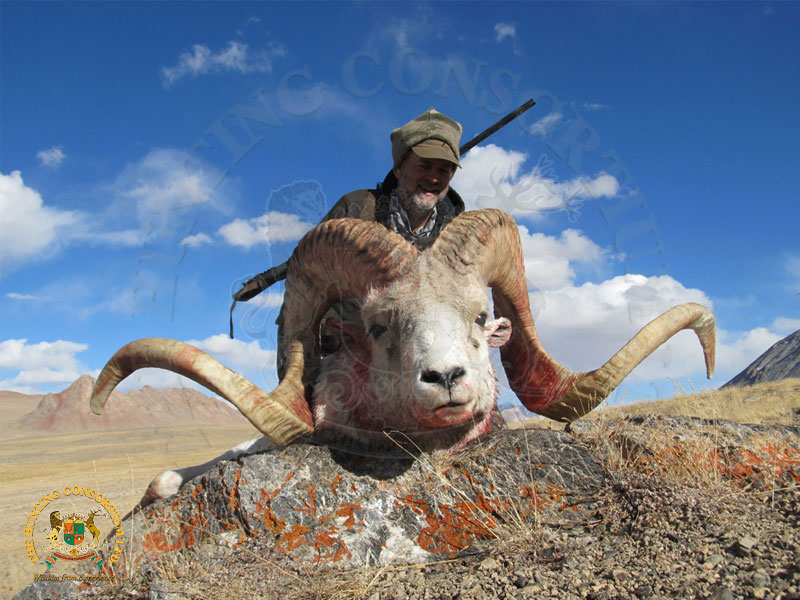
Marco Polo sheep hunting is not the place to learn by trial and error. The value of The Hunting Consortium is the judgment that comes before the hunt: choosing the right country, the right area, the right operator, the right timing, and the right plan for the hunter’s objectives.
The Hunting Consortium helps hunters think through country selection, area selection, outfitter selection, timing, travel planning, permit considerations, trophy expectations, physical readiness, export and import questions, and whether the hunt is truly right for the hunter.
That advisory role is especially important in Central Asia, where distance, language, regulations, terrain, and paperwork can magnify small mistakes. Serious hunters do not need more noise. They need clear judgment from people who understand difficult places and the details that determine whether a hunt is properly executed.
The Hunting Consortium’s position is simple: trusted guidance, not just access; judgment, not just options; precision planning, not just inventory. For rare species and world-class trophy opportunities, that difference matters.

Marco Polo sheep in Kyrgyzstan and Tajikistan represent one of the great pursuits in international mountain hunting. The appeal is obvious: legendary sheep, immense country, demanding conditions, and a trophy that carries weight among serious hunters.
But the quality of the experience depends heavily on the decisions made before the hunter leaves home. Country, area, outfitter, timing, permits, travel, paperwork, trophy expectations, and import planning all matter. None should be treated casually.
Serious hunters considering Marco Polo sheep in Kyrgyzstan or Tajikistan should speak with The Hunting Consortium before committing to a country, outfitter, or date. The right advice at the beginning can shape the entire hunt.


Longevity alone does not make a great international hunting consultant....Read More

Craig Boddington Reviews The Hunting Consortium: More Than 40 Years...Read More

For those who seek the pinnacle of North American big...Read More

Marco Polo Sheep Imports are now being approved, marking a...Read More

The Safari Club International Convention Convention, casually referred to as...Read More

The Safari Club International (SCI) Convention, often referred to as...Read More

Explore Wild Hunting Outfitters and learn what to look for...Read More

The pursuit of Mongolian Argalis, the world’s largest sheep, represents...Read More