
Hunting and Conservation: Insights From Rob Kern

Table of Contents
How Regulated Hunting Can Support Wildlife Conservation: Insights From Rob Kern
How can the deliberate harvest of a wild animal contribute to the survival of its species?
It is a question that appears contradictory until the broader realities of wildlife conservation come into view.
During a recent appearance on the Truth Hurts podcast, Rob Kern, Managing Director of The Hunting Consortium, joined the hosts for an extended conversation about international hunting, endangered species, poaching, and wildlife management.
The hosts were familiar with photographic safaris and the devastating consequences of illegal poaching. What they had encountered less often was the role that carefully regulated hunting can play in financing wildlife protection.
Rob offered a perspective developed through more than two decades of international hunting experience, from the mountains of Central Asia to the hunting concessions of Africa.
His central argument was that regulated hunting can create meaningful incentives to protect wildlife, its habitat, and the communities that share the landscape.
But conservation is not the automatic consequence of a legal hunt. It depends on how the program is managed, who benefits, and whether the results can be demonstrated.
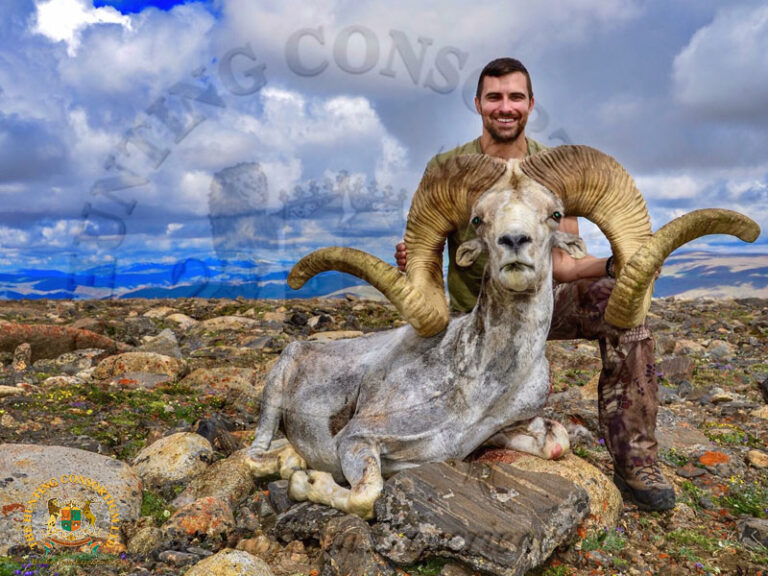

Regulated Hunting and Poaching: Understanding the Difference
One of the earliest distinctions Rob addressed was the difference between regulated hunting and poaching.
What Separates Legal Hunting From Poaching?
Poaching involves the unlawful taking of wildlife, frequently outside established management systems and without regard for authorized harvest limits, protected species, or conservation requirements.
Regulated hunting operates under legal restrictions that may govern species, seasons, hunting areas, permits, and harvest quotas.
Those restrictions are intended to allow wildlife authorities to manage harvest within established objectives. In a properly administered program, decisions should reflect biological evidence, population conditions, and enforcement capacity.
However, legality alone does not guarantee conservation value.
A permit establishes authorization. Whether that hunt contributes positively to wildlife conservation depends on the quality of the management system surrounding it.
The IUCN Species Survival Commission’s guiding principles on trophy hunting recognize that sustainable wildlife use can create incentives to conserve species and habitats. They also emphasize that such activities must not threaten conservation outcomes or undermine the rights of local communities.
Different Wildlife Challenges Require Different Management Approaches
Hunting serves different purposes in different places.
In some regions, wildlife management focuses on reducing populations of invasive species or controlling animal numbers where they exceed management objectives.
In others, particularly where vulnerable species occupy remote habitat, the challenge is quite different: maintaining healthy populations while giving the people living alongside those animals practical reasons and resources to protect them.
It is this second relationship that forms the heart of Rob’s conservation argument.

How Hunting Revenue Can Support Wildlife and Habitat
Wildlife conservation requires more than protecting an animal from unlawful harvest.
It requires habitat, wildlife monitoring, enforcement, trained personnel, and the continuing involvement of people who live within or near critical wildlife areas.
All of those responsibilities carry costs.
Where Conservation Funding Comes From
During the podcast, Rob explained how carefully managed hunting programs can introduce a source of funding into remote regions where other forms of tourism may generate limited revenue.
That money may enter the local economy through several channels:
Government hunting permits and license fees.
Employment of professional hunters, trackers, guides, camp personnel, and support staff.
Community revenue-sharing agreements.
Funding for habitat management, wildlife monitoring, and anti-poaching operations.
These mechanisms are distinct. Not every dollar spent on a hunt reaches conservation programs, and revenue distribution varies substantially between jurisdictions.
The important question is what happens to the funding after it is collected.
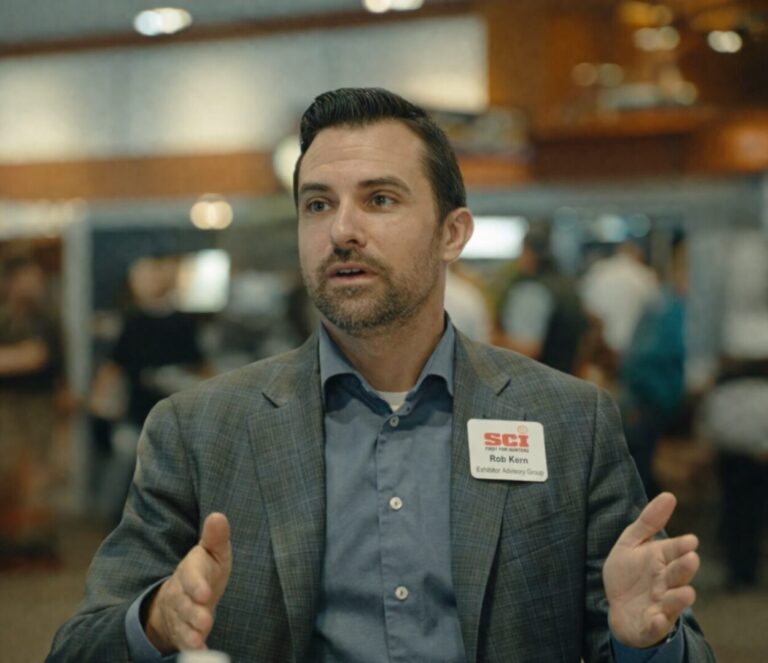

The Markhor: Conservation in the Mountains of Pakistan
Among the most compelling examples Rob discussed was the markhor, a wild mountain goat distinguished by its remarkable spiraling horns.
Markhor inhabit some of the difficult mountain terrain of Central and South Asia. Their conservation history reflects the combined effects of habitat pressures, illegal hunting, and locally organized wildlife protection.
During the interview, Rob described how regulated markhor hunting in Pakistan can provide substantial revenue to communities living within or near the species’ habitat.
How the Markhor Permit System Works
In Gilgit-Baltistan, the system includes limited hunting permits sold through government-administered auctions. Participating local communities receive approximately 80 percent of the permit revenue, with the remaining share retained by government.
The financial significance is substantial.
During the September 2025 auction for the 2025–26 hunting season, the Gilgit-Baltistan Wildlife and Parks Department auctioned four permits for Astor markhor. The highest successful bid reached $370,000, associated with the Nanga Parbat conservancy area.
These figures were documented in reporting on the government-administered auction.
For communities living in remote mountain regions, such revenue can contribute to locally determined development and conservation priorities.
Rob described the potential for community investment in infrastructure, schools, medical facilities, and other needs.
He also explained how the economic value assigned to living wildlife can strengthen incentives to protect mountain habitat and discourage illegal harvesting.
Local participation may include wildlife observation, scouting, monitoring, and reporting activities.

Measuring Conservation Outcomes
The biological management is equally important.
Pakistan’s Ministry of Climate Change and Environmental Coordination stated that the 2025–26 hunting quota allocations were based on verified population surveys and scientific evidence.
Markhor conservation has also produced documented improvements.
The IUCN Red List assessment classified the species globally as Near Threatened, recognizing increasing or stable populations in important managed and protected areas. That assessment was based on earlier population data and should not be mistaken for a new 2026 census.
The case demonstrates how limited hunting opportunities, economic participation, and wildlife management can work together.
It also demonstrates the need for continued scrutiny. Local operators have raised concerns that rapidly increasing permit prices could threaten the long-term commercial viability of the program.
Conservation requires more than generating revenue. It requires preserving the incentives, institutional capacity, and wildlife populations that make the program sustainable.
Why Local Communities Are Central to Conservation
A successful conservation program must account for the people who live alongside wildlife.
That principle was central to Rob’s discussion of human-wildlife conflict in Africa.
The Cost of Living Alongside Wildlife
In some regions, elephants damage crops, predators take livestock, and communities face genuine economic losses from the animals conservation programs seek to protect.
For a family dependent on livestock or a small agricultural holding, the loss of an animal or harvest is not an abstract environmental issue. It is a direct threat to livelihood.
Rob described situations in which predators such as leopards or lions may be killed in retaliation for livestock losses.
Poisoning is a particular concern because the effects can extend beyond the intended animal. Scavengers, including vultures and hyenas, may also be exposed when they feed on poisoned carcasses.
This illustrates why conservation cannot depend solely on prohibitions.
Communication Creates Opportunities for Conflict Resolution
Where local residents have access to wildlife authorities, responsible operators, and appropriate conflict-response mechanisms, there may be more options for managing dangerous or damaging animals.
Depending on the circumstances, those options might include improved livestock protection, compensation arrangements, monitoring, or authorized interventions by qualified wildlife professionals.
During the interview, Rob emphasized the importance of communication between hunting operators and surrounding communities.
As he put it:
“Communication is the most important thing that we have in life.”
That principle applies directly to conservation.
An operator maintaining constructive relationships with local communities is better positioned to understand emerging problems, communicate concerns to relevant authorities, and contribute to practical responses.
Employment and Shared Responsibility
Hunting-related employment can also provide immediate economic benefits.
Rob discussed the considerable number of local personnel who may be involved in international hunting operations, from trackers and camp staff to personnel performing logistical and support duties.
Yet employment alone is not a complete measure of conservation performance.
Benefit distribution, local decision-making, fair treatment, and the long-term protection of wildlife remain essential.
People value wildlife for many reasons, not solely for the income it might generate. Successful conservation recognizes those values while addressing the practical realities of coexistence.
What Conservation Work Looks Like in the Field
The public image of an international hunt frequently centers on a hunter and a harvested animal.
Rob’s experiences illustrate how much of the work occurring within a hunting area may remain unseen.
Anti-Poaching Work Beyond the Hunt
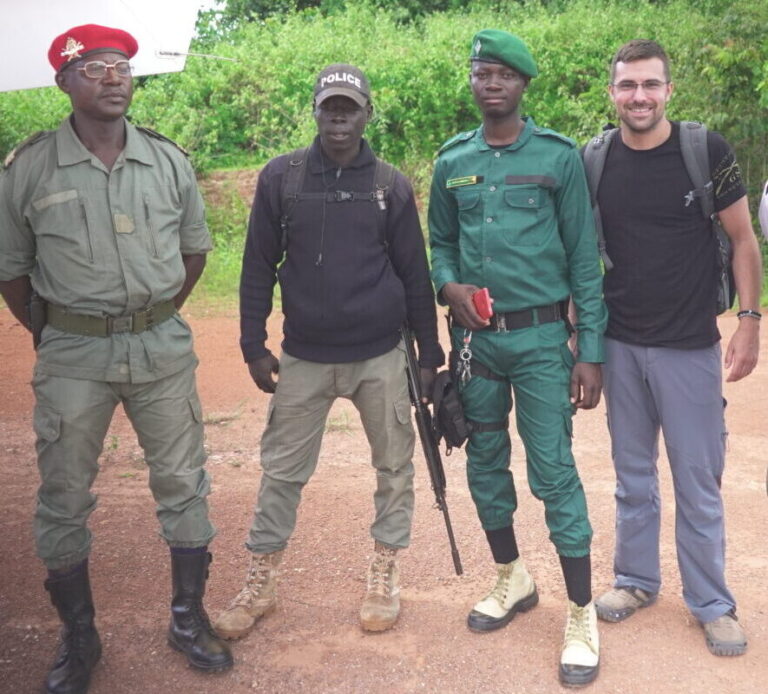
During the podcast, he described encountering illegal snares while moving through hunting country.
Snares can indiscriminately capture wildlife, injuring animals or leaving them trapped for extended periods. They may kill species other than those targeted by the people who set them.
Rob explained that while traveling through hunting areas, he and others have encountered snares and taken them down.
His account provides a direct illustration of the threats field personnel may discover while working in remote habitats.
Where appropriate and legally authorized, snare removal is one component of anti-poaching work.
Dedicated enforcement operations may also involve patrols, monitoring, intelligence gathering, and cooperation with wildlife authorities.
Such work is not unique to hunting concessions, nor does the presence of an outfitter automatically guarantee effective protection. The results depend on sustained effort and appropriate oversight.
Nevertheless, the presence of trained personnel in remote hunting areas can contribute to detecting illegal activity and maintaining awareness of changing wildlife conditions.
What Happens to the Meat?
The podcast also addressed another practical consideration: the use of meat from harvested animals.
Rob explained that the answer depends on the species, country, local regulations, and circumstances of the hunt.
In some areas, meat is distributed to local residents or used by staff and participating communities.
He discussed the logistical considerations involved with large animals, including the importance of identifying potential recipients and determining whether meat can be transported safely from the hunting area.
In extremely remote locations, access and transportation may complicate distribution. Elsewhere, specific legal requirements determine how meat must be handled.
There is no single arrangement that applies to every international hunt.
Responsible planning should address meat use and distribution in advance, subject to local law, food safety requirements, and the practical conditions on the ground.
What Makes a Hunting Program Accountable?
The strongest argument for regulated hunting is not that hunting always benefits conservation.
It is that a properly structured hunting program can create incentives and resources for protecting wildlife, and that those contributions can be evaluated.
Six Characteristics of Responsible Wildlife Management
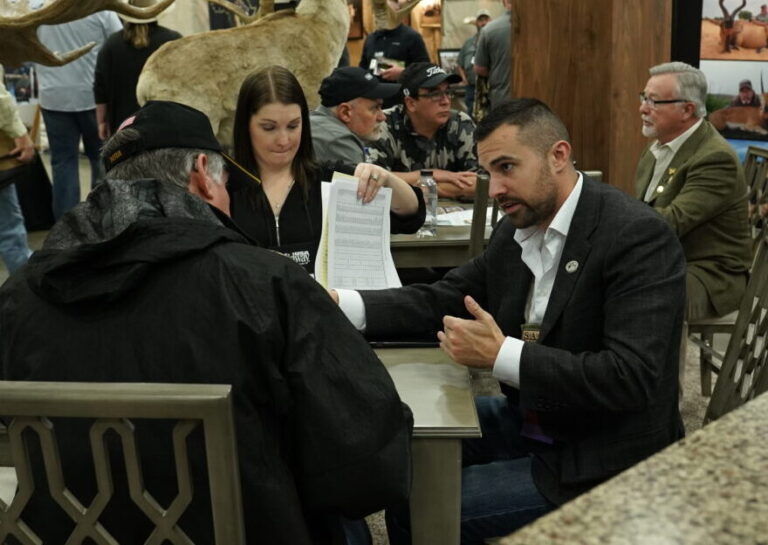
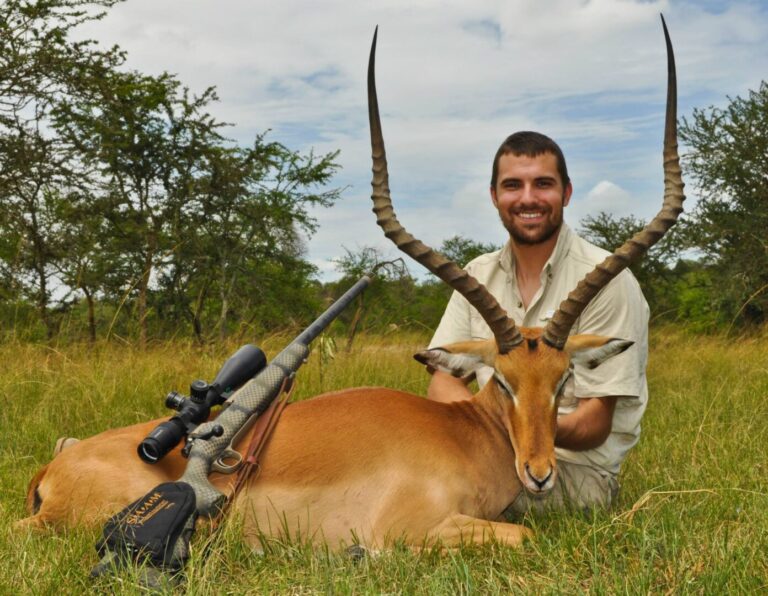
Several elements are essential.
Credible wildlife monitoring. Harvest decisions should be informed by reliable surveys, population trends, and an understanding of the species’ biology.
Appropriate harvest limits. Quotas and selection criteria should reflect management objectives, population structure, and reproductive considerations. Taking an older male does not automatically improve breeding outcomes.
Community participation. People living alongside wildlife should have meaningful opportunities to participate in management and receive benefits consistent with the program’s stated arrangements.
Financial transparency. Operators and wildlife authorities should be able to explain relevant fees, community arrangements, and conservation expenditures.
Enforcement and habitat protection. Hunting regulations are meaningful only when there are institutions and personnel capable of implementing them.
Adaptive management. Responsible authorities must be prepared to change quotas, restrict activities, or suspend hunting when wildlife conditions warrant it.
These principles are consistent with the IUCN Sustainable Use and Livelihoods Specialist Group’s examination of trophy hunting, which acknowledges both the potential conservation benefits of well-managed hunting and the consequences of poor governance.
Understanding CITES and IUCN Protections
International legal frameworks also require careful understanding.
The Convention on International Trade in Endangered Species of Wild Fauna and Flora (CITES) regulates international trade in listed wildlife and wildlife products through a system of permits and other controls.
The IUCN Red List, by contrast, assesses extinction risk.
Neither an IUCN classification nor a CITES permit, standing alone, establishes that a particular hunt is biologically appropriate or ethically conducted.
Hunting and Photographic Tourism: Different Conservation Models
The same principle applies when comparing regulated hunting with photographic tourism.
Both can provide conservation funding, employment, and incentives to maintain wildlife habitat.
Their suitability depends on the geography, infrastructure, visitor demand, governance, and economic circumstances of the particular region.
Some areas can accommodate substantial photographic tourism. Others are remote, difficult to access, or poorly suited to high visitor volumes.
Hunting may offer one source of conservation funding in some of those places, but it should not be presented as universally superior to photographic tourism.
Nor does an economic benefit settle every concern about animal welfare. Responsible harvest practices and population-level conservation outcomes are related, but they are not identical ethical questions.
The value of a conservation program must ultimately be assessed through its actual management and results.
Questions to Ask Before Booking an International Hunt
For sportsmen considering a significant international hunting pursuit, conservation considerations belong in the planning process.
The reputation of a destination, the quality of a trophy, and the experience of a professional hunter are all important.
None should replace a clear understanding of the program behind the opportunity.
Five Questions Every Serious Sportsman Should Consider
1. Who manages the hunting area and establishes the harvest limits?
Determine which wildlife authorities, landholders, community organizations, and professional operators hold responsibility for the area and its harvest regulations.
2. What evidence supports the current management decisions?
Ask how the species is monitored, whether current population information is available, and how that information influences authorized harvest.
3. How do local communities participate and benefit?
Understand the economic and practical relationships between the operator and surrounding communities. Avoid assuming that arrangements used in one country apply elsewhere.
4. What conservation activities are supported?
Ask what wildlife monitoring, enforcement assistance, habitat protection, or community programs are associated with the operation and what documentation is available.
5. How are ethical field decisions made?
Clarify the responsibilities of the professional hunter or guide, the selection criteria for an appropriate animal, and how difficult conditions or unsuitable opportunities are handled.
Why Experienced International Hunting Guidance Matters
The answers to these questions will differ by destination, species, and management system.
During the interview, Rob made that distinction plainly:
“Every single program is different.”
This is where experienced international hunting advice becomes particularly valuable.
The Hunting Consortium does not function as a wildlife authority or substitute for the professional responsibilities of local outfitters and guides.
Its role is to help serious sportsmen identify suitable opportunities, understand the planning and regulatory considerations, evaluate the relevant professionals, and prepare for the realities of hunting in difficult places.
Rob emphasized that effective preparation and the judgment of experienced field professionals cannot simply be replaced by equipment or technology.
For clients pursuing rare species or technically demanding hunts, that understanding can make an important difference long before arriving in the field.
Watch Rob Kern’s Full Conversation on Truth Hurts
Throughout the interview, Rob approached international hunting as something larger than the final moment of a successful pursuit.
He spoke about the mountain landscapes of Central Asia, relationships with local communities, the challenges of wildlife protection in Africa, and the lasting impressions created by working in places few travelers experience.
He also explained that many international hunters are motivated by more than collecting trophies.
As he observed:
“It’s not about the photo. It’s the experience.”

Understanding the Conservation Argument
The hosts did not abandon their personal reservations about hunting.
Instead, the discussion gave them a more complete understanding of how regulated hunting can fit within a broader conservation strategy.
That distinction is worth preserving.
A person does not need to become a hunter to recognize the importance of sound wildlife management, habitat protection, and meaningful community participation.
Watch the Full Interview
The conversation provides additional context for the responsibilities involved in international hunting, illustrated by Rob’s experience in the field.
Three particularly relevant portions of the conversation include:
6:02–8:45: How the markhor hunting program in Pakistan can connect limited harvest quotas, conservation funding, and local communities.
16:26–17:26 and 39:25–41:48: Illegal snares, livestock conflict, and the importance of local relationships.
1:13:18–1:14:16: Why experienced guidance and an understanding of individual management programs matter.
Plan Your Next International Hunt With Experienced Guidance
The right international hunting opportunity requires more than access to exceptional game. It requires an understanding of the destination, the people responsible for the hunt, the regulations governing it, and the conditions under which it takes place.
If you are considering an international pursuit, contact The Hunting Consortium to discuss your objectives and the preparation required to pursue them responsibly.
Hunting Consortium ~ THC Advisor
Your hunt deserves more than a booking.
We design fully guided hunting experiences with expert planning, trusted outfitters, and seamless execution from start to finish.
Read More of our press

Can regulated hunting help protect wildlife? Drawing on Rob Kern's...Read More
Learn how to book an international hunt, evaluate outfitters, understand...Read More
Longevity alone does not make a great international hunting consultant....Read More

Craig Boddington Reviews The Hunting Consortium: More Than 40 Years...Read More


For those who seek the pinnacle of North American big...Read More

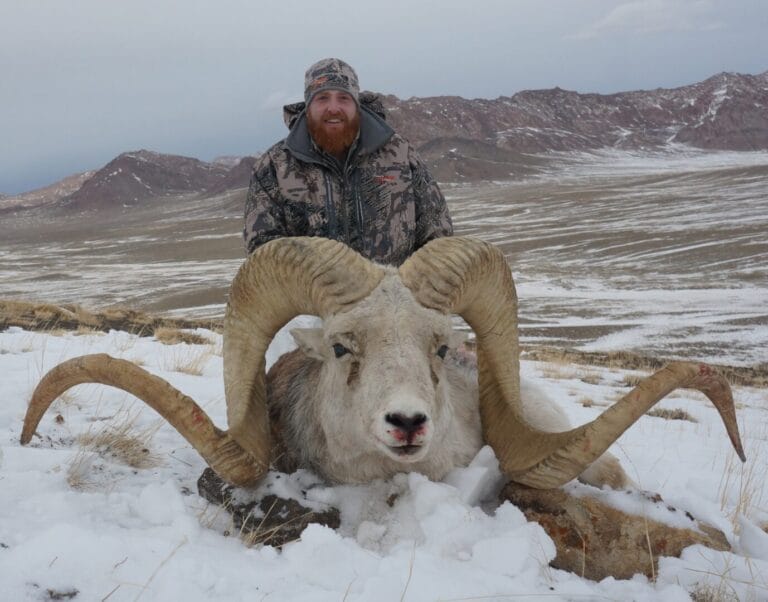
Marco Polo Sheep Imports are now being approved, marking a...Read More