
Is Global Rescue Good? | Honest Global Rescue reviews.
Table of Contents
An honest review of Global Rescue and if they are worth it
When you’re stepping into a premier destination—whether it’s the high country of Central Asia, the wide savannas of Africa, or a remote river system that doesn’t show up cleanly on a map—you’re not just paying for a hunt. You’re investing in logistics, timing, permits, rifles, flights, relationships on the ground, and a narrow window where everything must run true. In that world, a rescue-and-evacuation plan isn’t a luxury add-on—it’s the quiet foundation that lets you hunt with confidence when the nearest real help may be hours (or days) away.
The uncomfortable truth about expensive international hunts: your “Plan B” matters
Most hunts go exactly the way they should: hard miles, good camps, clear glassing mornings, and a clean moment when preparation meets opportunity.
But the hunts that don’t go to plan rarely fail because the outfitter isn’t trying or the client wasn’t ready. They fail because nature and geography don’t negotiate:
A slip on shale turns into a knee injury five miles from the nearest vehicle.
A sudden illness at altitude escalates faster than most hunters expect.
A vehicle accident puts someone in a rural clinic where “good enough” care isn’t actually good enough.
Civil unrest flares in a region that was calm three days ago—and the safest move is to leave immediately.
That’s why the question, “Is Global Rescue good?” isn’t just an internet debate for hunters planning international travel. It’s a risk-management question—one that should be settled before your boots hit foreign soil.

What Global Rescue is—explained the way a hunter should hear it
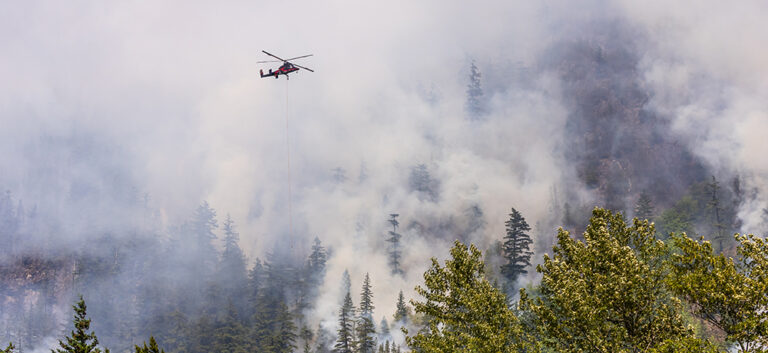
Global Rescue is a membership-based travel risk and crisis response service designed to respond when travelers are injured, sick, or facing a credible safety threat while away from home.
Instead of “file a claim and hope you’re reimbursed,” Global Rescue emphasizes direct support and coordination—including rescue, transport, and evacuation services as part of membership (with their stated approach of no deductibles, no copays, and no claim forms for those membership services).
They position their work around a few pillars that matter deeply to international hunters:
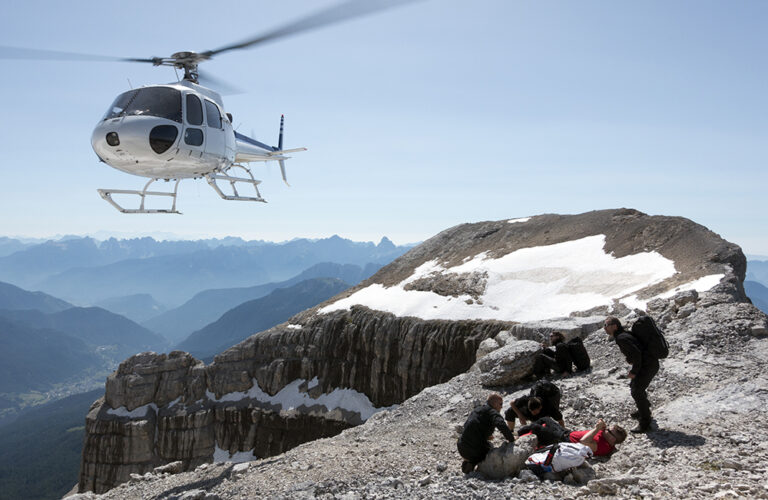
Worldwide field rescue (getting you out of the field to appropriate medical care)
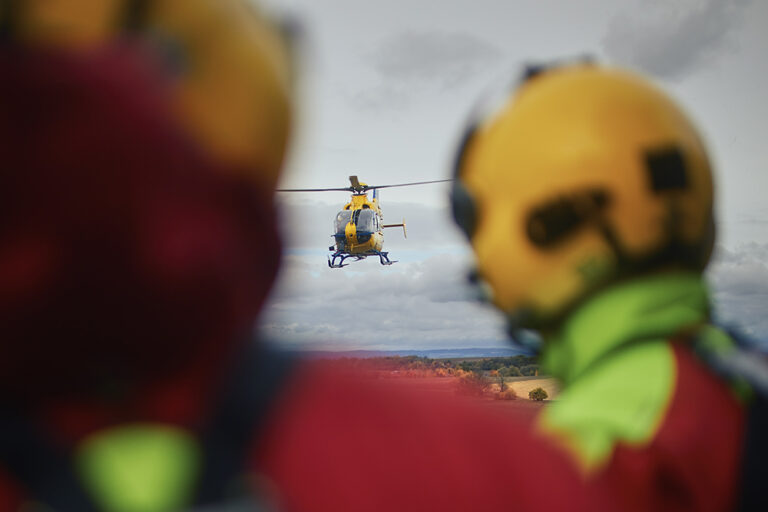
Medical evacuation / repatriation (moving you between hospitals and ultimately home, when necessary)
Security extraction (when safety is threatened by instability, disaster, or crisis conditions)
24/7/365 advisory and travel support (medical and security guidance, travel assistance, destination intelligence)
Global Rescue has been operating since 2004, and states its mission is to deliver these services 24/7/365 worldwide.
That’s the framework. Now let’s talk about what actually matters when a hunt is expensive, remote, and unforgiving.

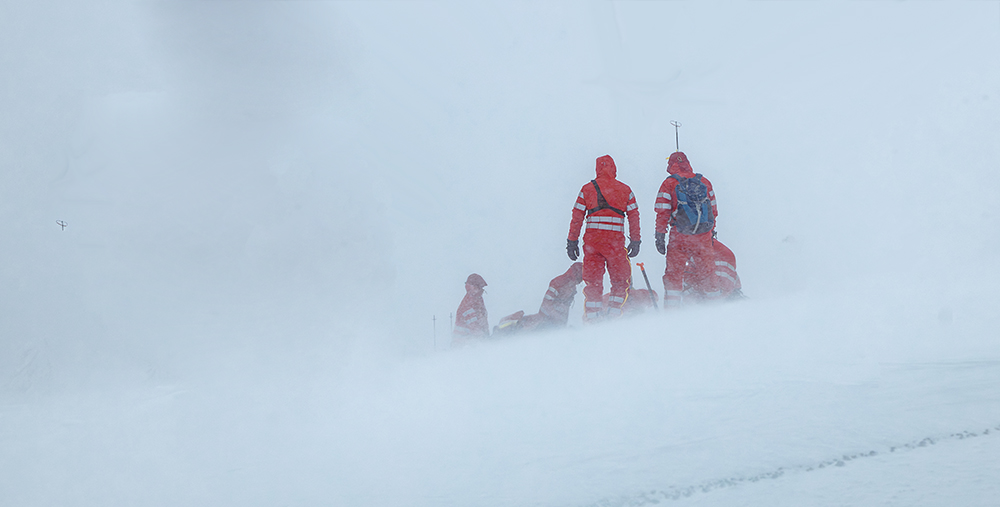
Field rescue: when the emergency happens far from the road
A lot of travelers hear “evacuation” and imagine a sleek jet and a clean hospital handoff.
Hunters know better.
On a serious international hunt, the first problem is often not the hospital—it’s distance, terrain, and the time it takes to get to a place where real medical evaluation can begin.
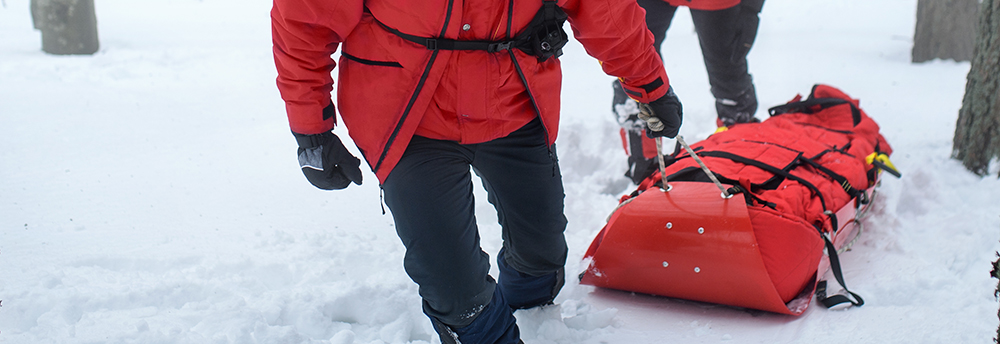
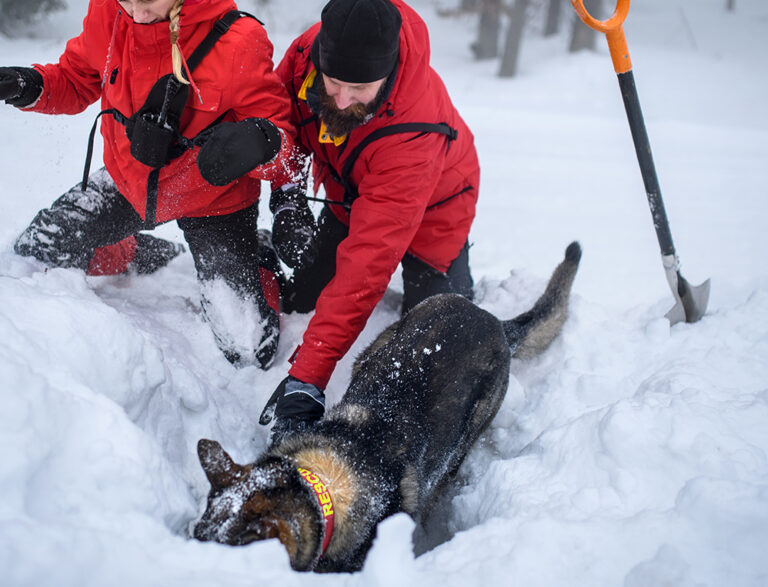
Global Rescue describes field rescue as transport by ground, air, or sea to the nearest hospital, clinic, or medical provider—triggered when a member has a condition requiring hospitalization (or likely to cause serious permanent injury or death) and cannot reasonably get to care on their own or by commercial means.
They also describe worldwide field rescue as “rescue from the point of illness or injury to the nearest appropriate medical facility.”
Why field rescue matters for hunting expeditions
For international hunting, the most common emergencies that change the entire trip are not exotic. They’re practical:
Falls on rock and scree
Fractures and joint injuries
Severe dehydration and heat stress
Altitude complications on mountain hunts
Vehicle accidents on long, rugged transits
Lacerations and infections that become serious in remote conditions
Field rescue is about one thing: getting you from “out there” to a place where you can be stabilized and evaluated—fast enough that the situation doesn’t spiral.
And in the hunting world, that’s often the difference between:
a hard story told back at camp… and
a medical situation that becomes dangerous because help arrived too late.
A hunting advisor’s perspective
When I’m advising a client headed into truly remote terrain, I don’t evaluate rescue membership by marketing language. I evaluate it by asking:
Who picks up the phone at 2:00 a.m. local time?
How quickly can they coordinate local assets?
Do they understand the difference between a manageable injury and a life-threatening delay?
Can they get you to an appropriate facility—not just the closest building with a red cross painted on it?
Global Rescue’s model emphasizes that their operations centers provide around-the-clock access to medical advisory and travel intelligence, alongside rescue and evacuation services.
Medical evacuation: getting you to the right care—not just the nearest care
Field rescue is the first move. Medical evacuation is the next move—and it’s where many hunters (and their families back home) get the most peace of mind.
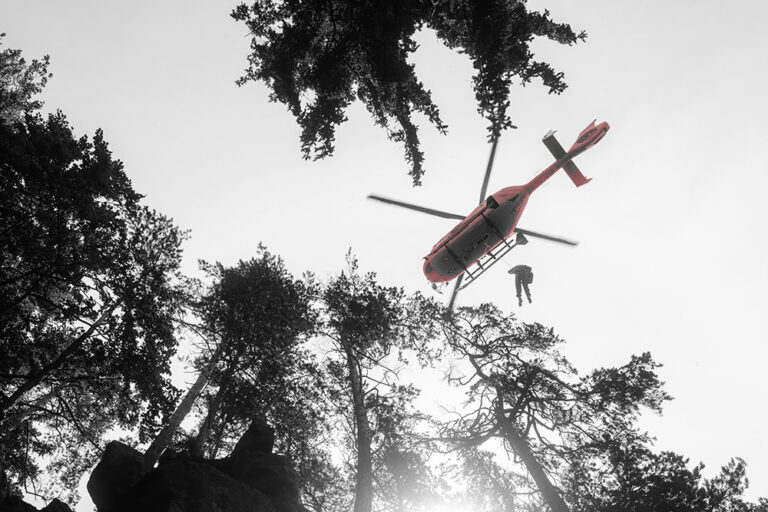
Global Rescue explains medical evacuation (medevac) as the service used when you’re hurt or sick abroad and need treatment beyond what a local facility can provide—then they transport or repatriate you to your home hospital of choice.
That “home hospital of choice” detail is not small. It matters because a serious medical event isn’t just about leaving the field—it’s about getting to the right long-term care pathway.
The most important nuance: field rescue vs. hospital-to-hospital transport
One reason you’ll see occasional friction in online commentary is that travelers don’t always understand the distinction between:
field rescue (point of injury → nearest appropriate facility), and
medical evacuation (hospital-to-hospital transport once medically evaluated and deemed stable for transport)
Global Rescue has publicly described this distinction in response to review concerns, emphasizing that medical evacuation between hospitals follows medical evaluation and aviation safety practices.
For hunters, this is not “fine print” trivia—it’s part of being prepared. The lesson is simple:
Don’t wait until there’s an emergency to understand how the chain works.
Your outfitter, your advisor, and your family should all be on the same page.
Security extraction: when the map changes overnight
Most hunters don’t go looking for trouble. Trouble has a habit of finding travelers anyway—especially when you’re moving through unfamiliar systems and regions.
Global Rescue offers security membership plans that include emergency extraction and advisory services, framed around risks such as civil unrest, natural disaster, or terrorism.
They also emphasize their security operations staffing: veterans from the military special operations community (e.g., Navy SEALs, Green Berets, Pararescuemen, Rangers, intelligence officers) and that security expertise is available directly through their in-house operations centers.
Why this matters for international hunters
Hunting trips don’t happen in airports and major cities. They happen in the margins:
border crossings
regional flights
long vehicle transits
rural hotels
small airstrips
places where local information travels slowly
If instability arises, the question becomes: Who is tracking the situation, and who has the capability to advise and coordinate an exit plan?
Global Rescue positions itself as a provider of travel risk and crisis response services—including security extractions and travel intelligence—delivered continuously when and where needed.

24/7 advisory services: the quiet value before anything goes wrong
Here’s what many affluent hunters don’t realize until they’ve traveled internationally a few times:
A large portion of “emergencies” start as questions.
“This clinic is recommending X—does that make sense?”
“We’re heading deeper tomorrow. Should we be worried about what’s developing in the region?”
“Can someone help us navigate a language barrier during a medical situation?”
Global Rescue highlights 24/7/365 access to travel intelligence and medical advisory services, plus telehealth and support functions like itinerary support and emergency action planning.
They also reference travel assistance such as help with healthcare navigation, visas/passport issues, translation, and more—exactly the kind of friction that becomes serious when you’re tired, stressed, and operating in a foreign system.
And for travelers who like to plan with precision, Global Rescue also references destination reports and alerts for 215 countries and territories/principalities (depending on the specific page and phrasing), along with real-time event alerts.
That’s not cinematic helicopter footage. It’s something more valuable for many clients:
It’s the ability to make calm decisions early—before a situation becomes urgent.


Global Rescue reviews: what people praise—and what seasoned travelers notice
When someone searches “Global Rescue Reviews”, they’re usually trying to answer a single question:
Will they show up when it matters?
On Trustpilot, Global Rescue shows a 4.1/5 rating with 33 reviews (as displayed on the Trustpilot listing at the time this was accessed).
A few themes show up repeatedly in the way members describe their experience:
1) Responsiveness and clarity
Short, plain praise is sometimes the most telling:
“Helpful assistance made the process easy.”
“Customer service is always great.”
That may sound simple—until you’ve tried to coordinate help across time zones, languages, and local systems while an injured hunter is waiting.
2) Medical guidance when you’re far from your usual doctors
One review describes being able to reach Global Rescue at an odd hour for medical advice and then being checked on afterward.
That pattern—immediate guidance, then follow-up—is exactly what experienced international travelers want when things become uncertain in remote places.
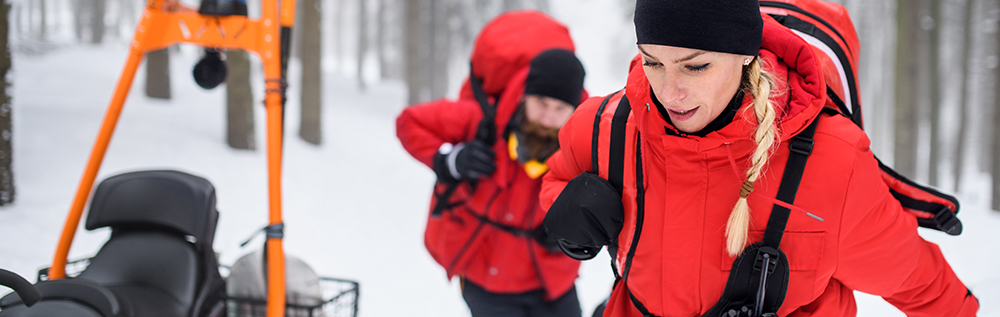
3) Field rescue that includes real-world extraction
From the New Zealand Trustpilot listing, one member described Global Rescue as:
“First Class Medical Ops’ Service, Lifesaver”
Another review on that same listing specifically describes a rapid response during an expedition and mentions helicopter evacuation and follow-up afterward.
4) The occasional negative review usually centers on expectations and definitions
Not every review on the internet is glowing—especially in an industry where emergencies are complex and emotions are understandably high.
What I pay attention to in the negative reviews isn’t the heat. It’s the pattern.
A common point of confusion is the difference between:
rescue from the point of injury, and
hospital-to-hospital evacuation after medical evaluation and stabilization
Global Rescue has addressed this distinction publicly in review responses, noting that these are different services with different safety requirements.
As a hunting advisor, I’ll put it plainly:
The best rescue plan is the one you understand before you need it.
Read the membership terms. Ask questions. And make sure your traveling party knows how to activate help.
How I advise hunters to evaluate rescue membership for international travel
When a client calls me about an international hunt that could cost what a vehicle costs—or what a down payment on a ranch costs—my perspective is consistent:
You don’t protect the trip because you’re anxious. You protect the trip because you’re disciplined.
Here’s the framework I use with hunters considering Global Rescue:
1) Match the coverage to the environment, not your optimism
If you’re going somewhere with:
long ground transfers
limited local medical infrastructure
unstable regional conditions
altitude exposure
then you plan like a professional.
Global Rescue positions its memberships as designed for travelers in remote locations and for those who want a “Plan B” if things go wrong.
2) Understand the chain: field rescue → evaluation → evacuation
In a real emergency, this matters:
Field rescue gets you to the nearest appropriate facility.
Medical evacuation gets you onward when hospitalization is required and transport is appropriate.
Knowing that flow prevents confusion when emotions are high.
3) Consider security extraction the way you consider a spare tire
You may never need it.
But if you do, you won’t be negotiating terms in the middle of an evolving situation.
Global Rescue describes security memberships as providing emergency extraction and advisory services for risks like civil unrest and natural disasters, supported by an in-house security operations team.
4) Don’t confuse rescue membership with traditional travel insurance
Global Rescue itself draws a distinction between travel insurance (often reimbursement-based) and Global Rescue membership services (service delivery without the same “claims and reimbursements” structure).
That doesn’t mean travel insurance is useless—far from it. It means they serve different purposes, and serious international hunters should understand the gap.
So—is Global Rescue good? My honest answer for international hunters
Yes—for the right hunter, in the right context, Global Rescue is a strong option, particularly because their service model is built around:
worldwide field rescue from point of injury/illness
medical evacuation and transport to home hospital of choice
security extraction and in-house security advisory capability
24/7/365 medical and security advisory and travel assistance
And while Global Rescue reviews online include a range of experiences—as all emergency services do—the recurring positive themes point to responsiveness, knowledgeable support, and real peace of mind for travelers who spend time far from easy help.
If you’re heading overseas on a high-dollar hunt, my guidance is simple:
Don’t let your “Plan B” be a guess.
Choose it deliberately, understand it thoroughly, and step into the wild with a steadier mind.
Frequently Asked Questions about Global Rescue
What is Global Rescue?
What is Global Rescue?
Global Rescue is a membership-based travel services provider focused on medical evacuation, field rescue, security evacuation, and travel advisory/assistance when you’re away from home.
Is Global Rescue an insurance company?
Is Global Rescue an insurance company?
No—Global Rescue’s Member Services Agreement explicitly states the membership is not an insurance policy, and they operate as a service provider rather than an insurer.
What does a Global Rescue membership provide, in plain terms?
What does a Global Rescue membership provide, in plain terms?
At a high level, Global Rescue membership is designed to provide emergency field rescue from the point of illness or injury, medical evacuation/transport, medical advisory and traveler assistance, and (for applicable memberships) security services and virtual healthcare access.
Who counts as a “Member”?
Who counts as a “Member”?
A “Member” is the individual(s) listed on the enrollment application, approved for membership, and for whom membership fees have been paid.
Does Global Rescue work for domestic travel, or only international?
Does Global Rescue work for domestic travel, or only international?
Global Rescue can apply to domestic travel as well—what matters is whether you meet the membership’s eligibility definitions (for many services, that includes being more than 100 miles from your Home Address)
Are contagious or infectious diseases excluded?
Are contagious or infectious diseases excluded?
The agreement states the company is not obligated to provide Medical Transport Services if the traveling member has a contagious or infectious disease.
What’s the lookback window for travelers ages 75–85?
What’s the lookback window for travelers ages 75–85?
For traveling members between ages 75–85, the agreement references a one-year lookback in the relevant exclusion language.
Are there age limits?
Are there age limits?
Yes. The agreement includes an exclusion stating Medical Transport Services are not obligated for a traveling member who is over 85 years old.
Are there geographic exclusions in polar regions?
Are there geographic exclusions in polar regions?
Yes. The agreement includes exclusions for traveling in Greenland in the Arctic above the 80th parallel North, or on/near the Antarctic continent below the 60th parallel South.
What does Global Rescue consider “High Altitude Travel”?
What does Global Rescue consider “High Altitude Travel”?
High Altitude Travel is when a member is traveling above 15,000 feet above sea level, actively ascending to, or has recently descended from above 15,000 feet (excluding air travel).
Do I need a High Altitude upgrade for hunts above 15,000 feet?
Do I need a High Altitude upgrade for hunts above 15,000 feet?
Per the agreement, Medical Transport Services are excluded during High Altitude Travel if the member has not purchased a High Altitude Membership Upgrade (or is under the age of 16).
What is the Security Membership Upgrade?
What is the Security Membership Upgrade?
It’s an add-on selection a member pays for that entitles the member to Security Evacuation Services under the agreement’s terms.
What kinds of non-emergency help does Global Rescue offer?
What kinds of non-emergency help does Global Rescue offer?
Global Rescue’s materials describe support for non-emergency needs like medical advisory, traveler assistance, destination reports and event alerts, and help with issues like lost passports, prescriptions, language barriers, and more.
Does Global Rescue provide translation help?
Does Global Rescue provide translation help?
Yes—the agreement includes telephonic interpretation/translation services, and notes that in-person interpreters or other customized services are at the member’s sole expense.
Does Global Rescue have a mobile app?
Does Global Rescue have a mobile app?
Yes—the Quick Start Guide references the “My Global Rescue” mobile app and describes features like destination reports/alerts, emergency activation, virtual health visits, and GPS tracking/messaging.
If something goes wrong on my hunt, what’s the correct order of operations?
If something goes wrong on my hunt, what’s the correct order of operations?
In a life-threatening emergency, contact local emergency services first. As soon as it’s safe—and especially before rescue/transport is arranged if possible—contact Global Rescue so your membership benefits can apply as intended.
What happens if my outfitter or a local authority initiates a rescue before Global Rescue is involved?
What happens if my outfitter or a local authority initiates a rescue before Global Rescue is involved?
Global Rescue’s published guidance is clear: if rescue/transport is arranged by anyone other than Global Rescue, it’s treated as self-arranged, and Global Rescue will not reimburse those costs. This is exactly why early contact matters.
Is there a Cancel for Any Reason option?
Is there a Cancel for Any Reason option?
Global Rescue’s travel insurance page indicates optional “Cancel for Any Reason” and “Interruption for Any Reason” benefits may be available, subject to terms and limitations (including state availability and trip cost caps).

Read More of our press



For those who seek the pinnacle of North American big...Read More

Marco Polo Sheep Imports are now being approved, marking a...Read More


The Safari Club International Convention Convention, casually referred to as...Read More

The Safari Club International (SCI) Convention, often referred to as...Read More

Explore Wild Hunting Outfitters and learn what to look for...Read More

The pursuit of Mongolian Argalis, the world’s largest sheep, represents...Read More


