
How to Book an International Hunt: Step-by-Step Guide
Table of Contents
How to Book an International Hunt: A Complete Step-by-Step Guide
The decision to pursue an international hunt often begins with a particular animal or a place that has held a sportsman’s attention for years. A Cape buffalo in the African bush. A Marco Polo ram in the high Pamirs. A mature red stag roaring across the hills of New Zealand.
Turning that ambition into a well-executed hunt requires more than selecting a destination and reserving dates.
Even accomplished North American hunters can find international hunting unfamiliar. Foreign regulations, outfitter relationships, government permits, airline restrictions, trophy importation, and financial arrangements introduce considerations rarely encountered at home.
Understanding how to book an international hunt begins with recognizing that the planning is as important as the destination itself.
The process becomes far more manageable when approached in the right sequence, with experienced guidance where it matters. This guide explains the essential decisions, responsibilities, and preparations involved—from the first conversation through the return home.
The international hunting planning journey
Define your objectives → Select a destination → Consult an experienced broker → Evaluate outfitters → Establish total costs → Confirm arrangements → Prepare documentation → Complete the hunt → Manage trophy handling and importation.
Step 1. Decide What You Want From Your International Hunt
Identify Your Preferred Species and Hunting Experience
A successful international hunt begins with clarity about what you want to accomplish.
For some sportsmen, the objective is a particular species. Others are drawn to the challenge of a demanding mountain pursuit, the traditions of an African safari, or the opportunity to experience exceptional hunting country with a spouse or family member.
Consider your priorities:
-
Species and trophy objectives: Are you pursuing a particular animal, a mature representative trophy, or an exceptional specimen?
-
Hunting methods: Do you prefer tracking, spot-and-stalk hunting, horseback access, or another established method?
-
Fair-chase expectations: Is free-ranging wildlife essential? What land-management practices are acceptable to you?
-
Physical demands: How much walking, climbing, altitude, and exposure are appropriate?
-
Accommodations: Would you prefer a traditional safari lodge, a comfortable hunting estate, or a remote mountain camp?
-
Time available: How many hunting days can you commit, excluding international travel?
These considerations are not incidental. They shape the entire recommendation.
Establish Your Budget and Travel Preferences
Determine what you are prepared to spend on the complete journey, not simply the quoted hunting arrangement.
Airfare, permits, gratuities, trophy processing, shipping, and other expenses can significantly affect the final commitment.
Also consider scheduling flexibility and whether a spouse or non-hunting companion will accompany you. A carefully structured safari can accommodate both hunting and broader travel interests, but those arrangements should be discussed from the beginning.
Assess Your Experience and Physical Readiness
An African plains game safari may be an appropriate introduction to international hunting for someone with solid field experience. Pursuing Cape buffalo requires a different level of discipline and careful attention to the professional hunter’s direction.
Mountain hunts for ibex, sheep, or markhor introduce altitude, rugged terrain, and potentially demanding access. Red stag hunting can range from relatively accessible country to difficult mountain terrain.
An experienced hunting advisor helps match the opportunity to the individual—not the other way around.

Step 2. Choose the Right Hunting Destination and Species
The destination determines much of the hunting experience, but the country name alone rarely tells the whole story.
Different hunting areas within the same country can vary considerably in habitat, wildlife management, accommodations, access, and trophy potential.
African Hunting Safaris
For many American sportsmen, Africa is the natural starting point.
South Africa, Namibia, Zimbabwe, and Tanzania offer different forms of safari hunting, ranging from plains game pursuits to highly specialized dangerous game programs.
Plains game opportunities may involve kudu, gemsbok, impala, wildebeest, or other species, depending on the location. The terrain can range from open savanna and semi-desert to wooded hills and dense bush.
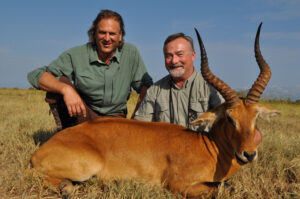
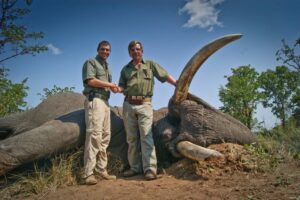
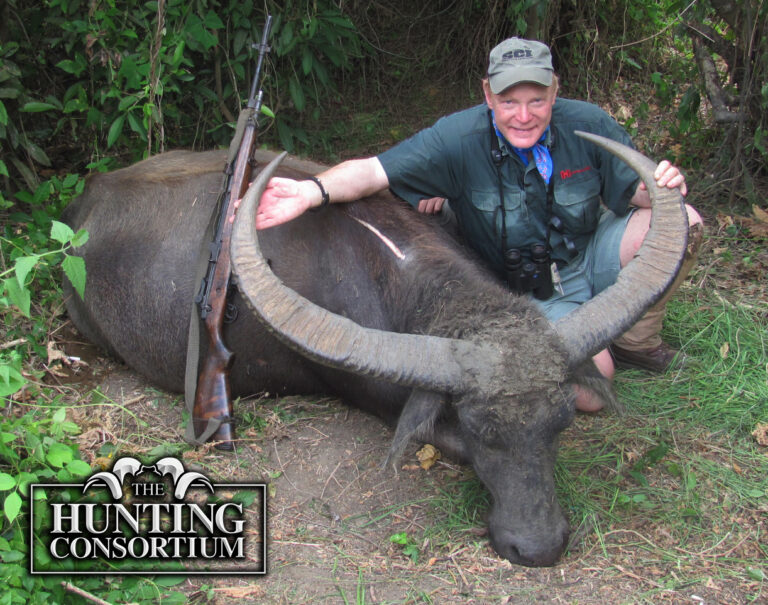
Dangerous game hunting introduces additional responsibilities. Pursuing Cape buffalo, elephant, leopard, or lion requires careful consideration of the specific hunting area, professional hunter, legal authority, species restrictions, and trophy import eligibility.
A safari should never be evaluated solely on the number of available species. The character of the hunting area, the outfitter’s standards, and the quality of the field team are equally important.
Asian Mountain Hunting Expeditions
The great mountain systems of Central Asia offer some of international hunting’s most demanding pursuits.
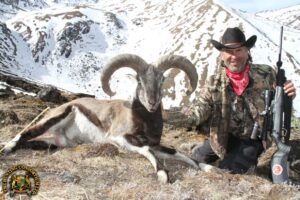
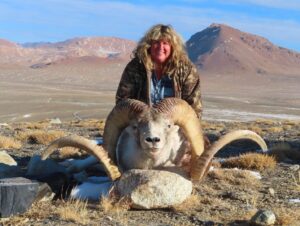
Tajikistan is closely associated with Marco Polo sheep in the Pamirs. Kyrgyzstan offers mountain hunting opportunities involving ibex and, where legally authorized, argali. Pakistan is especially significant to sportsmen interested in markhor and ibex.
These are specialized hunts. Operator experience, legal quotas, access routes, camp support, acclimatization, and contingency planning demand close scrutiny.
A hunter considering Marco Polo sheep should understand that the terrain, elevation, access methods, and hunting arrangements can differ substantially between individual concessions.
Current quotas and species-specific authorizations must be confirmed for the proposed season. A historical hunting program is not proof that a particular opportunity remains available.
International Red Stag Hunting
New Zealand and Argentina offer distinctive red stag experiences.
New Zealand is known for dramatic mountain landscapes, agricultural estates, and varied hunting programs. Argentina combines red deer hunting with traditional estancia hospitality and landscapes ranging from open country to wooded foothills.
Hunters should distinguish between free-range opportunities, managed estates, and other forms of private-land hunting. These are not interchangeable experiences, and expectations should be established before any commitment.
Match the Hunting Season to Your Objectives
The right season depends on species behavior, regional climate, legal hunting dates, and the nature of the opportunity.
For red stag, the roar or rut may be a central consideration. In mountain hunting, snow conditions and access can determine the practical hunting window. In Africa, vegetation, water availability, and seasonal conditions influence the experience.
| Hunting region | Representative species | Terrain and physical demands | Principal planning considerations |
|---|---|---|---|
| Southern Africa — plains game | Kudu, gemsbok, impala | Variable; often moderate | Hunting area, species selection, trophy fees, firearm travel |
| African dangerous game areas | Cape buffalo and legally authorized dangerous game | Variable; potentially demanding | PH credentials, safety, quota, species-specific permits |
| Central Asian mountains | Marco Polo sheep, ibex, markhor | Moderate to extremely demanding | Altitude, access, quotas, remote logistics, trophy import |
| New Zealand and Argentina | Red stag | Accessible estates to difficult mountain country | Hunting method, property conditions, season, companions |
These are general comparisons, not guarantees of availability, difficulty, or import eligibility.
Step 3. Decide Whether to Use an International Hunting Broker
Selecting a country is only the beginning. The more difficult judgment often concerns whom to trust with the hunt itself.
This is where a capable international hunting broker can make a meaningful difference.
What Is an International Hunting Broker?
An international hunting broker is a professional advisor who helps hunters identify, evaluate, and arrange guided hunting opportunities with operators in different countries.
The distinction between a broker and an outfitter is important.
An outfitter is responsible for the local hunting operation, including the arrangements and services specified in the agreement.
A professional hunter (PH) or guide leads and supervises the hunting activities in the field.
A travel advisor ordinarily handles transportation, accommodations, and related travel services.
An international hunting broker evaluates the broader opportunity on the client’s behalf, helping determine which destination, hunting area, outfitter, and arrangement best fit the hunter’s objectives.
The responsibilities of individual brokers vary, and their precise services should be confirmed.
What Does a Hunting Broker Actually Do?
Experienced brokerage is not simply a matter of passing along an outfitter’s brochure.
The real work begins with understanding the hunter and identifying where opportunity, expectations, and operational reality intersect.
A qualified broker may help:
-
Compare destinations and outfitters beyond a single operator’s offering.
-
Assess hunting-area quality, management practices, and realistic trophy expectations.
-
Evaluate professional hunters and local operational arrangements.
-
Review quotations, hunting terms, and potential expenses.
-
Coordinate communications and essential preparations.
-
Assist with travel, firearm documentation, and permit-related arrangements.
-
Identify problems before they become expensive complications.
-
Provide an experienced point of contact when circumstances change.
Consider a hunter planning his first Marco Polo sheep expedition. He may have considerable mountain experience but little familiarity with local concessions, foreign permits, or regional transportation.
A knowledgeable advisor can help him assess the quality of the actual opportunity—not merely the reputation of the country.
That is a substantial distinction.
Booking Directly With an Outfitter vs. Working With a Broker
Arranging a hunt directly can be entirely appropriate, particularly when a hunter has an established relationship with an operator and knows the hunting area firsthand.
However, familiarity with one outfitter is different from having a comparative understanding of several operators, concessions, and destinations.
| Consideration | Direct outfitter arrangement | Experienced hunting broker |
|---|---|---|
| Available perspective | Primarily the operator’s own area and program | May compare multiple operators and destinations |
| Evaluating alternatives | Hunter conducts independent research | Advisor assists with comparative judgment |
| Logistics | Depends on operator’s capabilities | May assist with broader coordination |
| Problem resolution | Hunter works directly with the operator | Advisor may help communicate and advocate |
| Best suited to | Hunters with established firsthand relationships | Hunters seeking independent perspective or complex international planning |
A broker’s involvement does not eliminate risks, replace local authorities, or guarantee an outcome. Its value lies in better-informed decisions and experienced coordination.
How Much Does an International Hunting Broker Cost?
Compensation arrangements vary across the industry. Hunters should ask about advisory charges, financial relationships, and any services carrying separate fees.
The Hunting Consortium publicly states that its hunting brokerage guidance is provided at no cost to the hunter.
That does not mean the hunt itself, airfare, government charges, or services supplied by third parties are free. The precise scope of included support should be established before proceeding.
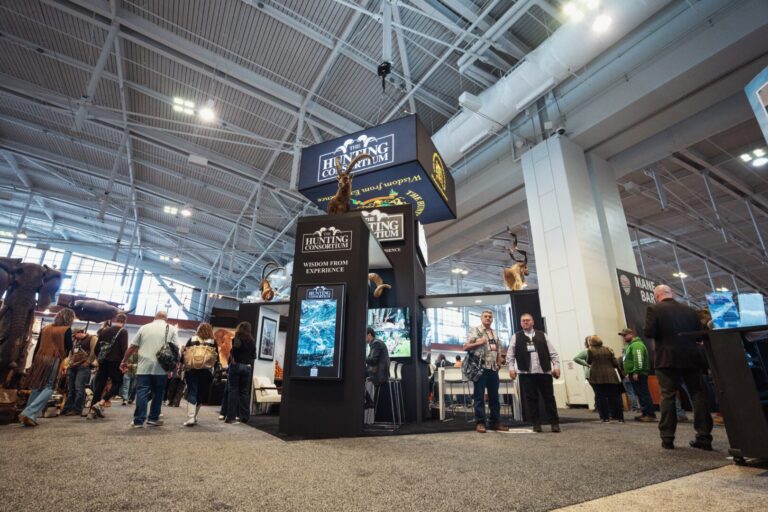
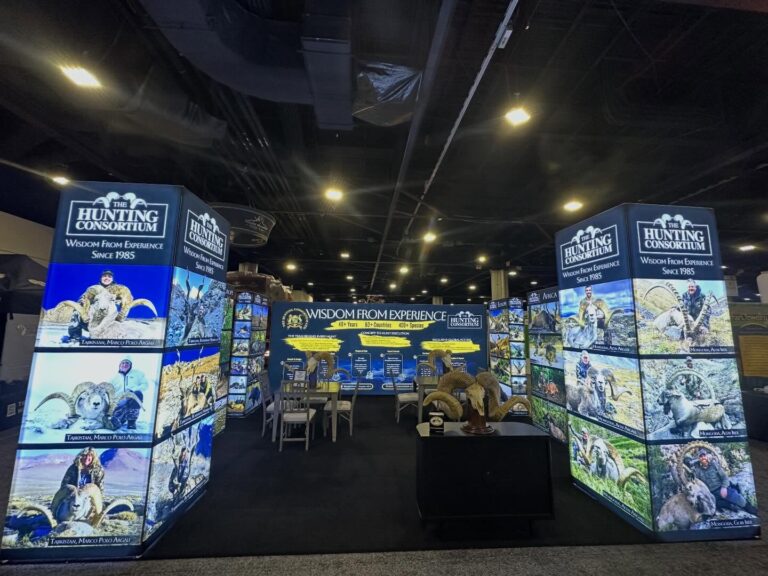
Founded by Bob Kern in 1985, The Hunting Consortium has developed decades of international hunting experience and relationships across major hunting regions.
Its approach reflects a fundamental principle: serious hunters benefit from experienced judgment before making significant commitments.
For sportsmen assessing unfamiliar destinations, beginning a conversation with The Hunting Consortium can help establish which opportunities warrant further consideration.
Step 4. Evaluate the Outfitter Before Making a Commitment
The outfitter remains central to the hunting experience. Good planning cannot compensate for an unreliable operator or poorly managed hunting area.
How to Identify a Reputable Hunting Outfitter
Professional presentation is not proof of operational competence.
The evaluation should establish whether the operator has legal authority to conduct the proposed hunt, appropriate access to the hunting area, properly qualified personnel, and a record of communicating and delivering responsibly.
References are valuable, particularly when they come from hunters who pursued comparable species under similar conditions.
Ask about unsuccessful hunts as well as successful ones. The way an outfitter handles difficult circumstances often reveals more than promotional photographs.
Understand Hunting Areas and Trophy Expectations
A productive hunting area is the foundation of a credible trophy opportunity.
Examine its habitat, wildlife populations, management history, hunting pressure, and access arrangements. Ask whether the outfitter controls the area or operates under another party’s authority.
Trophy quality also demands realistic discussion.
Outstanding trophies can be taken from well-managed areas, but previous results cannot establish what will be encountered on a particular hunt.
Experienced guidance should clarify what constitutes a respectable representative animal, what exceptional potential may exist, and how selective a hunter can reasonably expect to be.
Questions to Ask Before Choosing an International Hunting Outfitter
Does the operator hold the necessary licenses, rights, and legal authority?
Are permits or quota allocations confirmed for the intended species?
Who will be the actual professional hunter or guide?
What is the hunting area’s size, management history, and access arrangement?
Are the wildlife populations free-ranging, managed, or enclosed?
Can comparable recent client references be provided?
What are the operator’s safety and emergency procedures?
What happens if weather, travel, or permitting problems interrupt the hunt?
What services and trophy-related expenses are excluded?
How are hunting proceeds connected to wildlife management or local communities?
Fair Chase, Conservation, and Stewardship
Responsible hunting requires more than legal paperwork.
It requires sound wildlife management, appropriate harvest standards, respect for local communities, and honest treatment of the resource.
Regulated hunting programs may contribute to conservation financing and community interests when properly administered. Their effectiveness should be evaluated through actual management practices, accountability, and documented outcomes—not assumed from the presence of a hunting permit.
An experienced advisor should be prepared to discuss these considerations directly.
Step 5. Understand the Full Cost of an International Hunt
One of the most important parts of planning an international hunt is establishing the complete financial commitment.
A quoted hunting price is not necessarily the final cost.
Daily Rates, Trophy Fees, and Hunting Packages
Different outfitters use different pricing structures.
Daily hunting rates generally cover specified services over a defined number of hunting days. Depending on the operator, these may include guiding, accommodations, meals, transportation within the hunting area, and camp services.
Trophy fees are charges associated with particular animals under the outfitter’s pricing agreement. They may apply after a successful harvest, but provisions for wounded or lost animals must be checked carefully.
Hunting packages combine certain services, species, and hunting days into a quoted arrangement. The word package does not establish exactly what is included.
Other potential charges include concession fees, government licenses, hunting permits, special transportation, and non-hunting observer fees.
Always request an itemized written quotation.
Expenses That May Not Be Included
The following costs require separate consideration:
-
International and domestic airfare.
-
Charter flights, road transfers, and additional hotels.
-
Visas and entry documentation.
-
Hunting licenses, government permits, and conservation fees.
-
Firearm permits, airline handling, or firearm rental.
-
Non-hunting companion arrangements.
-
Gratuities and personal expenses.
-
Taxidermy, trophy preparation, and export documentation.
-
Freight, customs clearance, import inspections, and domestic trophy delivery.
-
Travel insurance and medical evacuation coverage.
Some charges may arise months after the hunter returns home, particularly those involving trophy preparation and shipment.
Why International Hunting Prices Vary
Differences in hunting prices often reflect substantial differences in the underlying opportunity.
An established concession with strong wildlife management, experienced professional hunters, limited access, and demanding transportation requirements may carry very different operating costs from a more accessible private-land program.
Accommodations, species availability, guiding arrangements, concession costs, and local infrastructure also matter.
The lowest quotation is not necessarily the best value. Conversely, a higher price is not automatically evidence of superior hunting.
International Hunting Cost Worksheet
Use this worksheet when comparing written proposals. Enter confirmed amounts in the quotation currency, then convert to your budgeting currency as appropriate.
| Expense category | Estimated amount |
|---|---|
| Hunting daily rate or agreed package | ______ |
| Expected trophy fees | ______ |
| Government licenses, permits, and concession fees | ______ |
| International and regional flights | ______ |
| Ground transfers, charters, and additional hotels | ______ |
| Firearm permits, baggage charges, or rental | ______ |
| Companion and sightseeing arrangements | ______ |
| Gratuities and personal expenses | ______ |
| Travel insurance and emergency coverage | ______ |
| Taxidermy, export preparation, and freight | ______ |
| Import clearance, inspection, and delivery | ______ |
| Contingency allowance | ______ |
| Estimated complete commitment | ______ |
Clarify which expenses are fixed, variable, payable after harvest, or charged by outside providers. Confirm exchange-rate provisions, taxes, accepted payment methods, and payment recipients.
For trophy-dependent expenses that cannot be quoted precisely, establish a realistic allowance rather than treating them as negligible.
A complete budget helps the hunter compare opportunities on equal terms and prevents avoidable financial surprises.

Step 6. Review the Hunting Agreement and Confirm Your Arrangements
Once the right hunting opportunity has been identified, the next responsibility is establishing precisely what has been agreed.
What Happens When You Are Ready to Proceed?
A written confirmation should identify the destination, outfitter, hunting area, dates, primary species, number of hunting days, accommodations, guiding arrangements, and included services.
If a particular species requires limited permits or quota allocation, determine when that authorization is confirmed and how it relates to the hunter’s financial commitment.
Do not assume an initial reservation means every regulatory approval is complete.
Deposits, Payment Schedules, and Contract Terms
The hunting agreement should address:
-
Deposit amount and payment deadlines.
-
Refund and cancellation provisions.
-
Rescheduling rights and restrictions.
-
Included and excluded services.
-
Trophy fees and wounded-animal provisions.
-
Operator responsibilities and hunter obligations.
-
Consequences of missing permits or unavailable hunting areas.
-
Procedures if the agreed outfitter cannot perform.
Read the actual language rather than relying on a verbal understanding.
Where payments involve international transfers, independently confirm the recipient’s banking details before sending funds.
What Happens When Plans Change?
International hunting involves circumstances beyond anyone’s control.
Severe weather may prevent access to a mountain camp. Political developments can affect travel. Airline changes, permit delays, unexpected closures, or operator problems may alter an itinerary.
The relevant question is not whether every disruption can be prevented. It is whether the parties have discussed how foreseeable problems will be handled.
Understand the difference between a refund, a credit, a postponement, and a replacement arrangement. None should be assumed unless established in writing.
Experienced brokerage provides an additional source of communication and judgment when problems arise, but it cannot guarantee reimbursement, permit approval, or alternative hunting availability.
Step 7. Prepare Your Travel Documents, Firearms, and Permits
Documentation is among the most consequential parts of international hunting planning.
Requirements vary according to nationality, destination, transit countries, species, firearm, and the individual itinerary.
Begin early and verify the rules that apply to the actual journey.
Passports, Visas, and Hunting Licenses
Confirm that your passport meets the destination’s validity and blank-page requirements.
Some countries require a visa or electronic travel authorization before departure. Others impose additional entry conditions or documentation requirements at border crossings.
Transit countries also deserve attention, even when the hunter does not intend to remain there.
The U.S. Department of State provides destination-specific information concerning entry, local laws, travel advisories, and safety considerations.
Separately, confirm which hunting licenses, operator permissions, invitation letters, and government authorizations are required.
A valid passport and visa establish eligibility to travel; they do not constitute permission to hunt.
Traveling Internationally With a Hunting Rifle
Many hunters prefer using a familiar rifle. Others elect to use a firearm supplied by their outfitter, particularly when the destination or travel route creates unnecessary complications.
Either option requires advance consideration.
A hunter traveling with a personal firearm must examine several distinct sets of requirements:
-
U.S. transportation and export rules. Applicable federal export controls and departure procedures must be satisfied.
-
Airline requirements. Firearms must meet baggage, declaration, packaging, and ammunition rules.
-
Transit-country requirements. Connecting through another country may introduce additional restrictions or approvals.
-
Destination-country requirements. Temporary firearm import permits, declarations, and other local documents may be necessary.
-
Return procedures. The hunter must satisfy applicable U.S. re-entry requirements.
The Transportation Security Administration requires firearms in checked baggage to be unloaded, contained in a locked hard-sided case, and declared to the airline. Airline and foreign-country requirements must also be checked.
See the TSA’s firearm transportation guidance and the State Department’s international firearm guidance.
Understanding CBP Form 4457
U.S. Customs and Border Protection Form 4457 documents prior possession of personal articles taken abroad and supports their identification when returning to the United States.
It is not, by itself, authorization to import a rifle into a foreign country.
Applicable U.S. firearm export regulations may also impose specific declaration, clearance, or licensing requirements. Consult CBP guidance and the Bureau of Industry and Security.
For complex itineraries, firearm arrangements should be settled before airline tickets are finalized.
Understanding Hunting Permits and Quotas
Legal hunting authority must exist for the particular animal, location, and season.
Certain international species are managed under limited government quotas, with additional requirements for individual permits and trophy export.
Pakistan’s regulated markhor and ibex programs, for example, involve government-controlled allocations and authorization procedures. The specific permit, approved area, operator eligibility, and current season must all be verified.
An outfitter’s prior experience with a species does not establish that a permit is available for the proposed dates.
Know the Trophy Import Rules Before You Hunt
One of the most consequential facts in international trophy hunting is this:
A species may be legally hunted in another country without its trophy being eligible for importation into the United States.
Trophy importation is a separate legal process.
Several authorities may be involved.
CITES — Convention on International Trade in Endangered Species
CITES regulates international trade in listed wildlife species. Requirements depend on the species, applicable appendix, country of origin, and importing country’s rules.
Some shipments require export permits; others may also require import authorization.
Consult the official CITES Appendices.
U.S. Fish & Wildlife Service
U.S. Fish & Wildlife Service requirements may involve species-specific import permits, wildlife declarations, inspections, and designated entry ports.
For example, the agency provides a dedicated argali trophy import application and separate sport-hunted trophy import guidance for CITES- and ESA-regulated species.
Many wildlife shipments also require declaration using Form 3-177, subject to applicable exceptions. See USFWS importer and exporter information.
USDA APHIS
The U.S. Department of Agriculture’s Animal and Plant Health Inspection Service regulates certain animal materials to prevent the introduction of foreign animal diseases.
Depending on species, country, and preparation, unfinished trophies, hides, and other materials may require special processing, certification, permits, or delivery to approved establishments.
Review the APHIS trophy-processing guidance.
Hunters residing in Canada, the United Kingdom, or other countries must establish the requirements of their own importing authorities.
Trophy eligibility should be investigated before financially committing to any hunt where bringing the trophy home is a central objective.

Step 8. Prepare Yourself for the Hunting Experience
With the arrangements confirmed, attention shifts to preparation.
Physical Conditioning and Shooting Readiness
Different destinations demand different preparation.
A plains game safari may involve extended walking and shooting from field positions. Dangerous game requires close attention to safety procedures, sound judgment, and the direction of an experienced professional hunter.
Mountain hunting places additional demands on endurance, balance, and recovery, particularly in steep terrain.
High altitude introduces a separate concern. Physical fitness does not eliminate the risk of altitude illness.
Hunters preparing for the Pamirs or other high mountain destinations should discuss acclimatization and individual medical considerations with an appropriate healthcare professional. The CDC’s high-altitude travel guidance provides useful background.
Shooting preparation should emphasize familiarity, consistency, safe firearm handling, and realistic field conditions appropriate to the hunt.
Gear, Clothing, and Equipment
Obtain a destination-specific packing list from the operator.
Weather, terrain, camp arrangements, and travel restrictions determine the appropriate clothing and equipment.
Confirm which items the outfitter supplies and which must be brought from home. Consider suitable boots, layered clothing, rain protection, optics, personal medications, and baggage restrictions.
A remote mountain camp and an established safari lodge require different preparations.
Health, Insurance, and Emergency Planning
The CDC recommends consulting a healthcare provider or travel medicine specialist at least four to six weeks before departure for destination-specific advice.
Insurance deserves equally careful attention.
Determine whether coverage applies to hunting activities, remote locations, high elevations, trip interruption, medical treatment, and emergency evacuation.
A conventional travel policy may not provide the protection a remote hunting expedition requires.
The U.S. Department of State’s travel insurance guidance is a useful starting point.
Essential Pre-Departure Checklist
Passport, visas, and entry documents confirmed.
Written hunting arrangements and required permits verified.
Flight itinerary and ground transportation confirmed.
Firearm paperwork or outfitter firearm arrangements completed.
Required travel-health preparations reviewed.
Insurance and emergency evacuation provisions checked.
Equipment and baggage requirements confirmed.
Emergency contacts and communication procedures established.
Trophy import eligibility and handling responsibilities reviewed.

Step 9. Know What to Expect During the Hunt
What Happens When You Arrive?
Arrival procedures depend on the destination.
A typical itinerary may include airport reception, customs and firearm clearance, local transportation, meeting the outfitter, orientation at camp, and final review of the hunting arrangements.
In a remote destination, reaching the actual hunting area can involve additional driving, domestic flights, charter transportation, or horseback travel.
Allowing adequate time for these transfers is part of responsible planning.
A Typical Day in the Field
The rhythm of the hunt reflects the country, species, and terrain.
On an African plains game safari, hunting may begin early, with tracking, glassing, and movement between suitable areas throughout the day.
Dangerous game hunting often places greater emphasis on tracking, close coordination with the PH, and strict safety discipline.
An Asian mountain hunt may involve extended periods of glassing, changes in elevation, difficult weather, and deliberate approaches through demanding terrain.
Red stag hunting may center on early morning and evening movement, with the roar influencing field activity during the appropriate season.
There is no universal hunting schedule. The operator’s judgment and prevailing conditions determine the day’s work.
What If You Do Not Harvest an Animal?
No ethical, fair-chase hunting arrangement should be understood as a guarantee of harvest.
Wildlife movement, weather, physical limitations, shooting conditions, and a hunter’s own standards can affect the outcome.
Before departure, understand the agreement’s provisions regarding unsuccessful hunts, wounded game, unused trophy fees, and any outstanding charges.
Traveling With a Spouse or Non-Hunting Companion
Many destinations can accommodate non-hunting companions, although facilities and activities differ significantly.
Observer rates, separate transportation, sightseeing, and additional accommodations should be established in advance.
A thoughtful itinerary can serve both the hunter’s objectives and the companion’s interests without compromising the quality of either experience.
Step 10. Understand What Happens After the Hunt
For the hunter, the field experience may conclude with the last day in camp. The administrative work can continue long afterward.
Field Preparation and Trophy Documentation
Legally harvested game must be handled in accordance with local regulations and the intended treatment of the trophy.
Depending on the species and arrangements, this can involve skinning, caping, skull preparation, measurements, identification tags, and official documentation.
The hunter should confirm that the necessary records accurately identify the specimen, its origin, the authorized harvest, and the intended recipient.
Retaining copies of relevant documentation is prudent.
Taxidermy, Shipping, and Customs
Several professionals may participate in post-hunt trophy handling:
-
The outfitter coordinates local field preparation and agreed documentation.
-
A taxidermist or preparation facility may perform mounting or preliminary treatment.
-
An export agent assists with applicable documentation and shipment arrangements.
-
A freight provider transports the shipment.
-
An import specialist or customs broker may assist with U.S. entry and clearance requirements.
-
Government authorities apply the relevant inspection and regulatory procedures.
The term dip and pack generally refers to preliminary trophy treatment and packing for export rather than completed taxidermy.
Before the hunt, identify who is responsible for each stage, who will communicate with the hunter, and which charges are payable separately.
Understanding Delays and Import Restrictions
Trophy shipment may involve taxidermy preparation, export authorization, international transportation, inspections, customs processing, and delivery arrangements.
Delays and additional costs can occur.
A permit may require further review, documentation may need correction, or the shipment may be subject to additional inspection.
Import permission should never be assumed simply because an animal was legally harvested.
Experienced coordination can help identify documentation problems and maintain communication between the parties, but it cannot guarantee clearance or delivery timing.
Planning Your Next International Hunt
A well-planned hunt also creates useful knowledge for the future.
The hunter gains firsthand understanding of a particular destination, physical requirements, preferred hunting methods, and the value of different operational arrangements.
A long-term relationship with a trusted international hunting advisor allows those lessons to inform subsequent opportunities.
Over time, that accumulated judgment can become as valuable as familiarity with any particular outfitter or country.
Frequently Asked Questions About Booking an International Hunt
How Far in Advance Should I Book an International Hunt?
Begin planning as early as practical, particularly for limited-quota species, highly sought-after concessions, or remote destinations. Availability, permit processes, and travel arrangements vary considerably. Some opportunities can be arranged relatively quickly, while others require substantial lead time. Ask an experienced broker about the realistic planning window for your intended species and destination.
Is an African Safari a Good First International Hunt?
An African plains game safari can be an excellent introduction to international hunting, provided the destination and outfitter match the hunter’s experience and expectations. Professional guiding, established safari infrastructure, and a range of species make certain programs particularly suitable. The hunting area, cost structure, operator credibility, and firearm arrangements should still be evaluated carefully.
Do I Need to Be an Experienced Hunter?
Experience is important, but requirements differ by hunt. A properly supervised plains game or red stag opportunity may suit someone with limited hunting experience who has completed appropriate preparation. Demanding mountain expeditions and dangerous game hunts involve additional considerations. Honest assessment of competence, fitness, shooting readiness, and personal expectations is essential.
Is It Cheaper to Arrange a Hunt Directly With an Outfitter?
Not necessarily. Direct arrangements and brokerage-assisted opportunities may differ in services, pricing, and support. Broker compensation also varies. The Hunting Consortium publicly states that its brokerage guidance is provided without a client advisory charge. Compare the actual written financial commitment, what is included, and the value of the professional guidance offered.
Can I Bring My Own Rifle?
Often, but only when applicable U.S. export rules, airline requirements, transit restrictions, and destination-country firearm laws permit it. Additional documents and advance authorization may be necessary. Some hunters prefer an outfitter-provided firearm for complicated itineraries. Confirm the entire travel route before deciding.
Can I Bring My Spouse or Family?
Many hunting destinations offer arrangements for spouses and non-hunting companions. Options may include observing the hunt, staying at camp or a lodge, and participating in sightseeing activities. Suitability depends on the destination, accommodations, and local transportation. Discuss companion needs and costs when initially planning the hunt.
What Happens If I Do Not Harvest an Animal?
The outcome depends on the hunting agreement. Daily rates or agreed package charges may remain payable even without a harvest. Trophy fee obligations depend on the contract, including any wounded-animal provisions. There should never be an assumption of guaranteed success, refund, or replacement opportunity without written contractual support.
Can I Bring My Hunting Trophies Home?
That depends on the species, country of origin, applicable export permits, and the importing country’s laws. CITES, U.S. Fish & Wildlife Service, USDA APHIS, and other requirements may apply. Some legally harvested trophies face additional restrictions or may be ineligible for import. Confirm eligibility before the hunt rather than after the animal has been taken.
Conclusion: Your First International Hunt Starts With the Right Plan
Learning how to book an international hunt is ultimately about understanding the decisions that must be made before the pursuit begins.
The right destination, credible outfitter, realistic trophy expectations, complete financial picture, proper documentation, and thoughtful preparation are the foundation of a well-executed hunt.
An experienced international hunting broker brings perspective to those decisions, particularly in difficult places where local knowledge and careful coordination matter.
Since 1985, The Hunting Consortium has helped serious sportsmen navigate the complexities of international hunting through field experience, trusted relationships, and disciplined planning.
Whether your ambition leads to an African safari, the mountains of Central Asia, or the red stag country of the Southern Hemisphere, the right approach begins with a conversation.
Contact The Hunting Consortium to discuss your hunting objectives, destination preferences, and the opportunities most appropriate for you.
Hunting Consortium ~ THC Advisor
Your hunt deserves more than a booking.
We design fully guided hunting experiences with expert planning, trusted outfitters, and seamless execution from start to finish.
Read More of our press
Learn how to book an international hunt, evaluate outfitters, understand...Read More

Longevity alone does not make a great international hunting consultant....Read More
Craig Boddington Reviews The Hunting Consortium: More Than 40 Years...Read More

For those who seek the pinnacle of North American big...Read More

Marco Polo Sheep Imports are now being approved, marking a...Read More
